


















































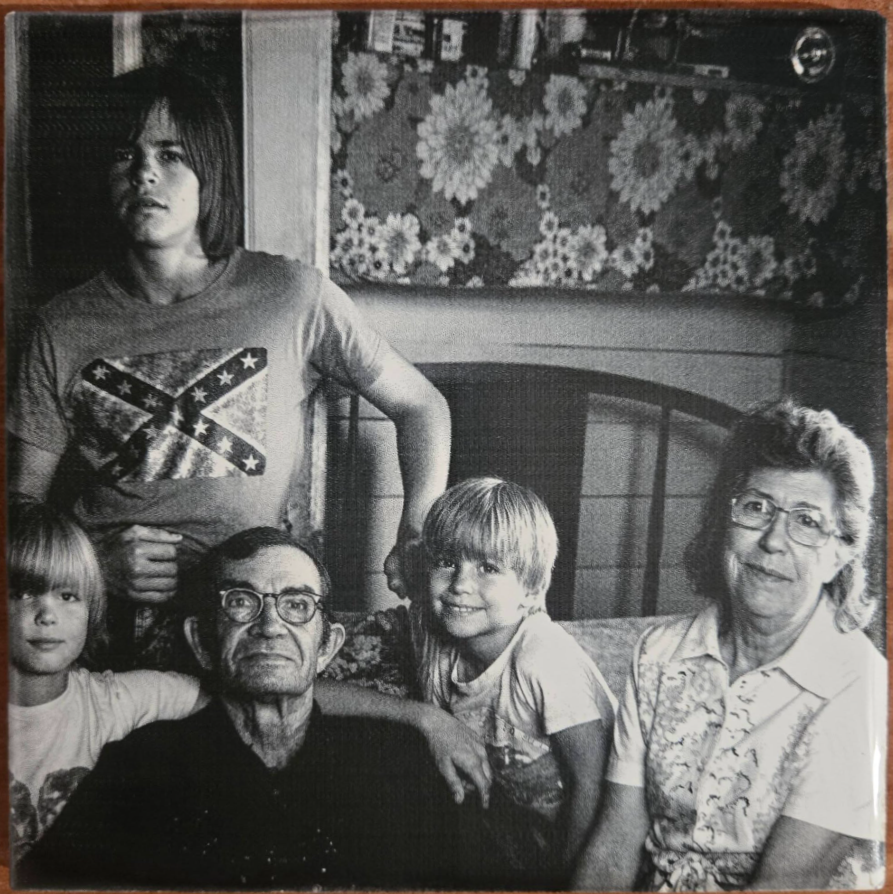




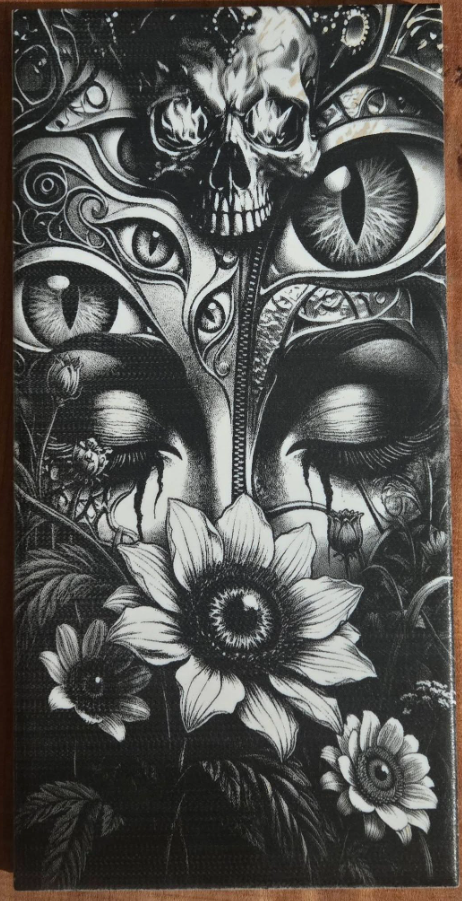
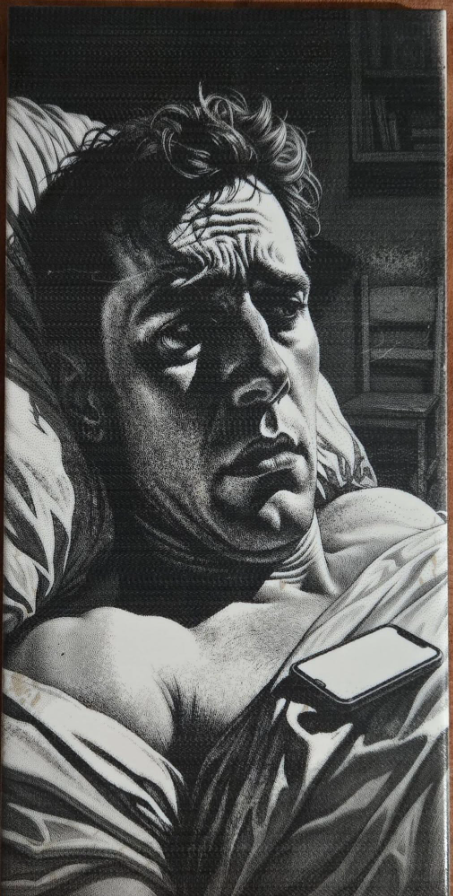
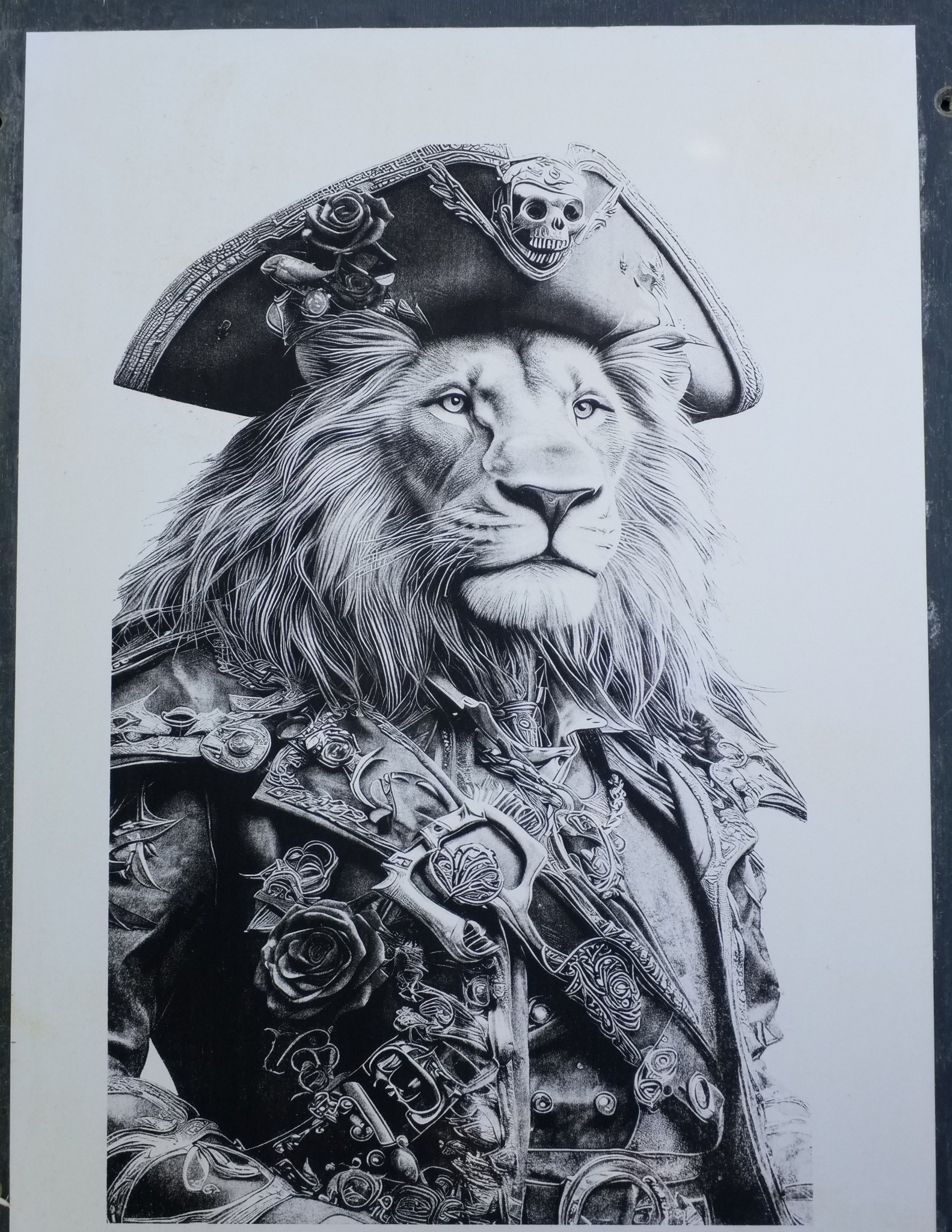


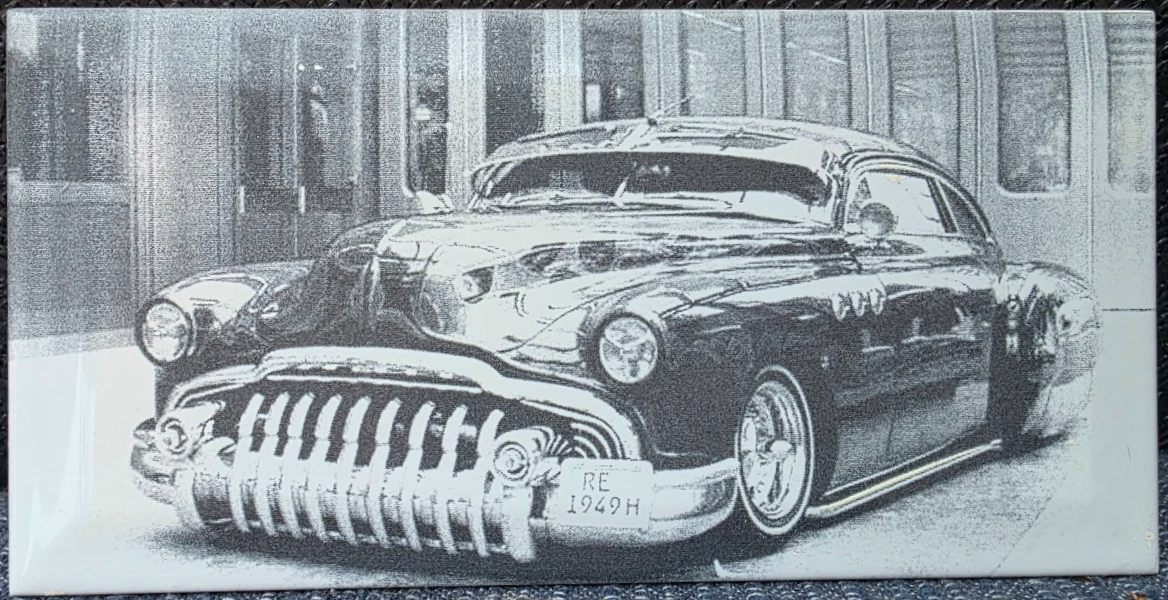



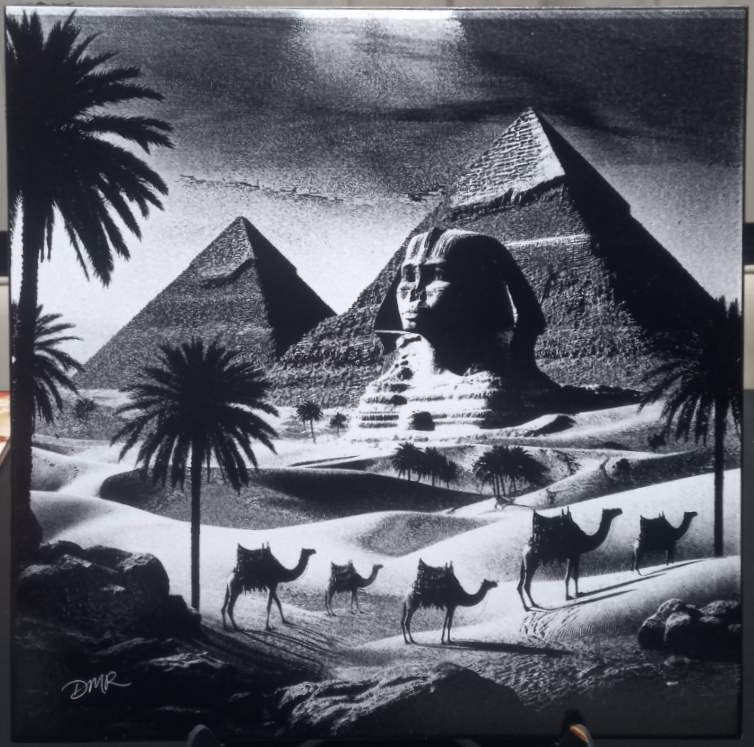


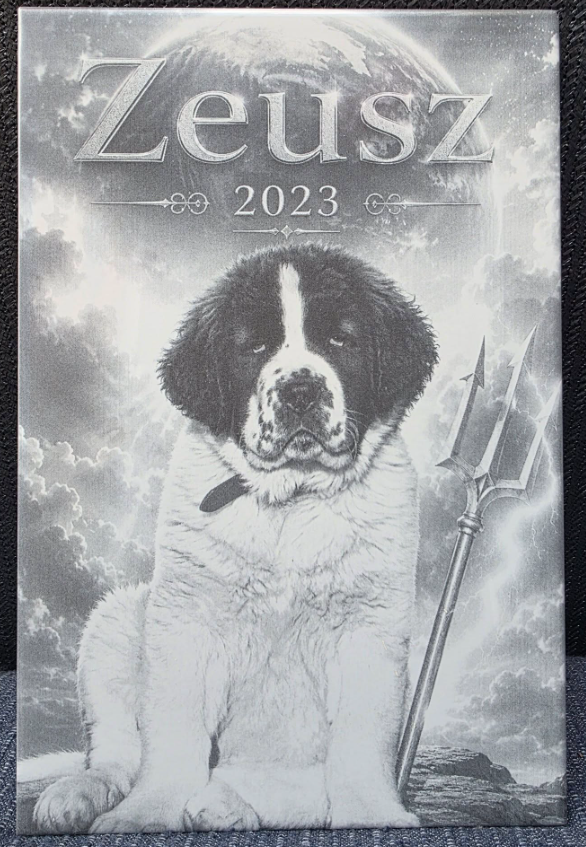


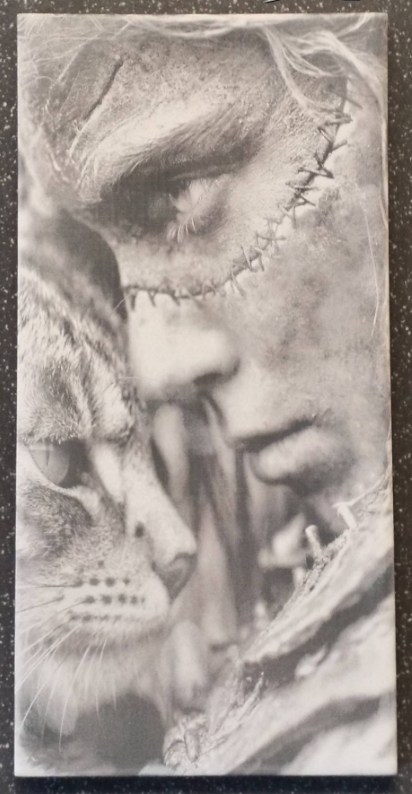





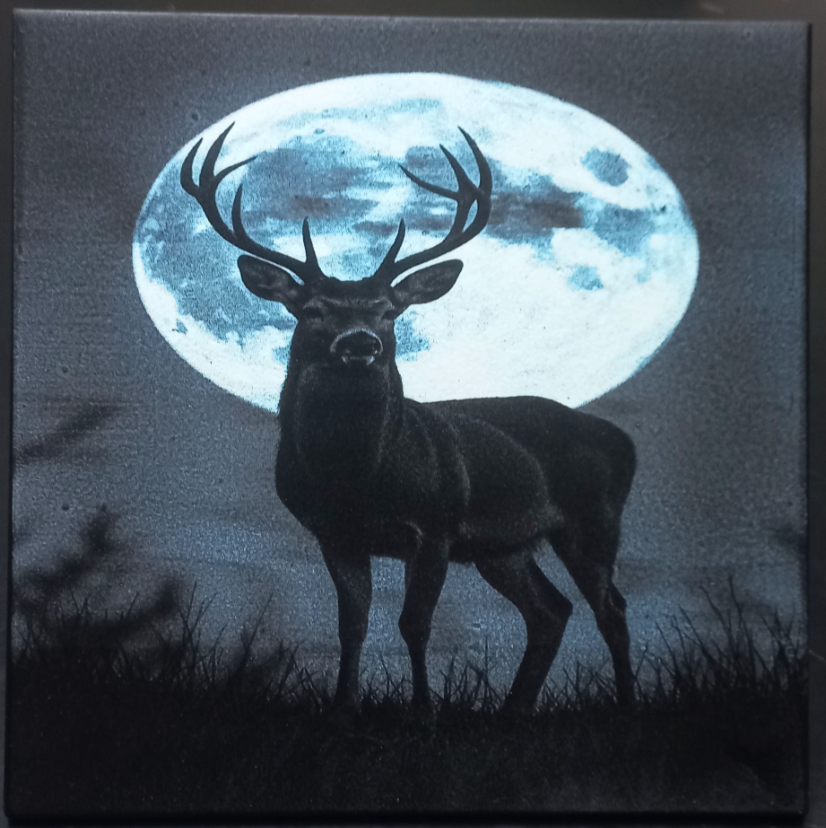
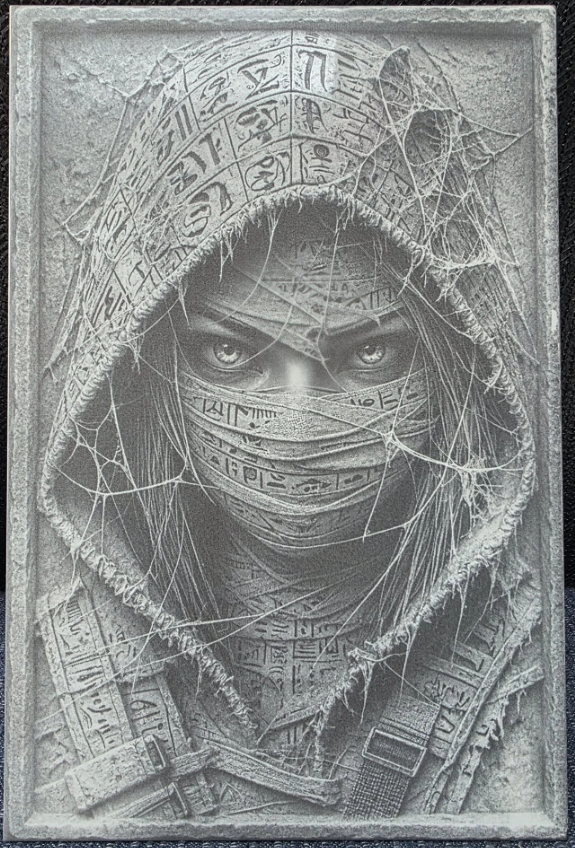





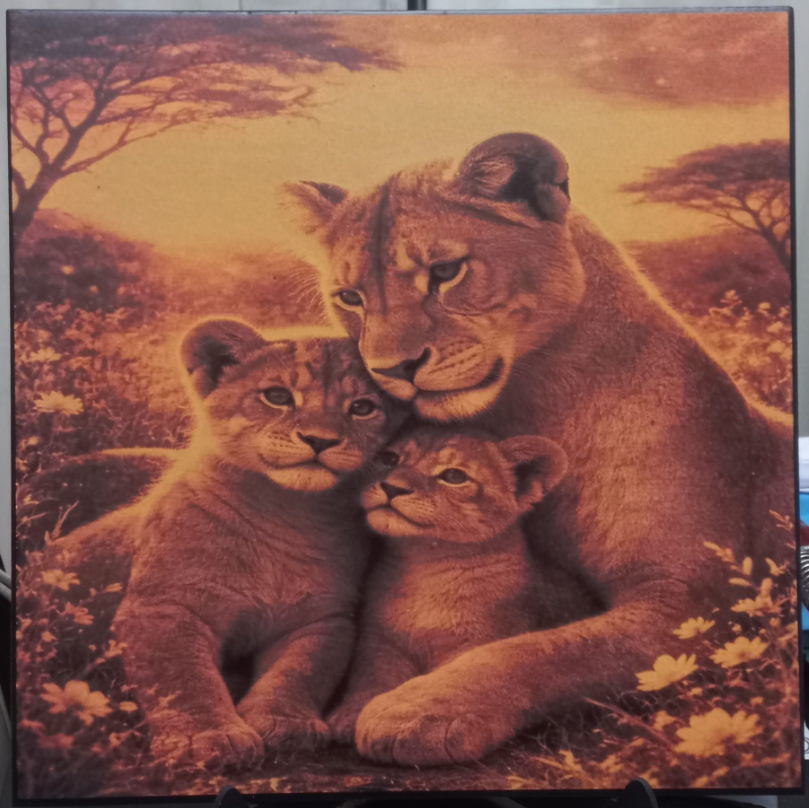

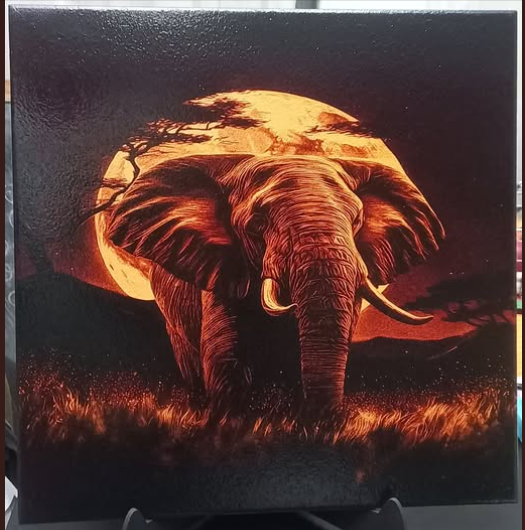







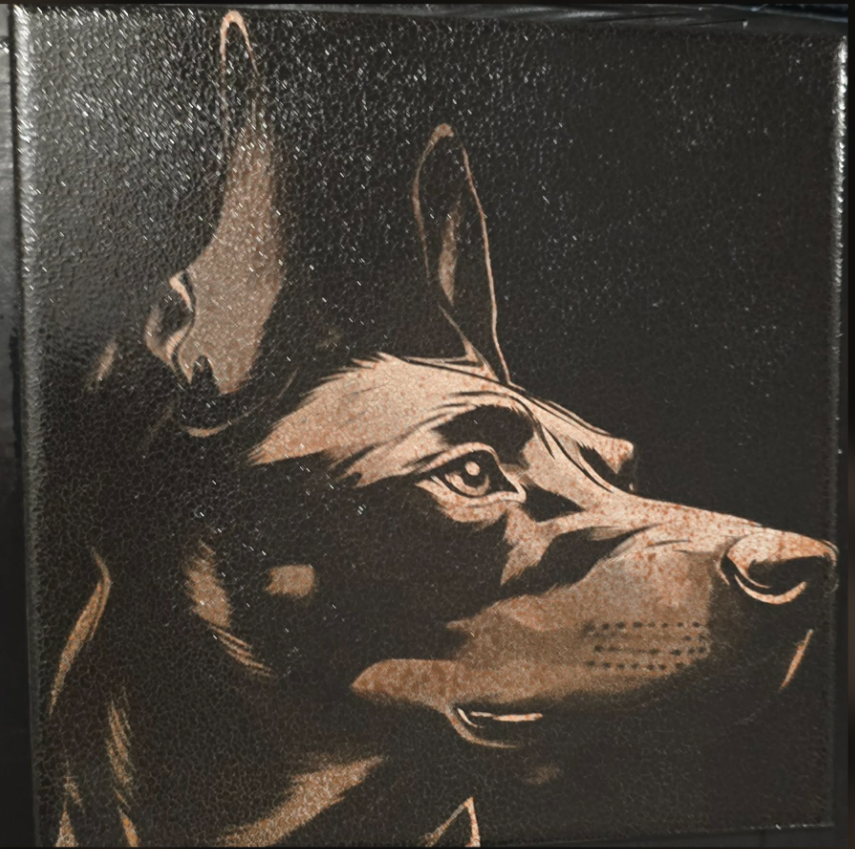
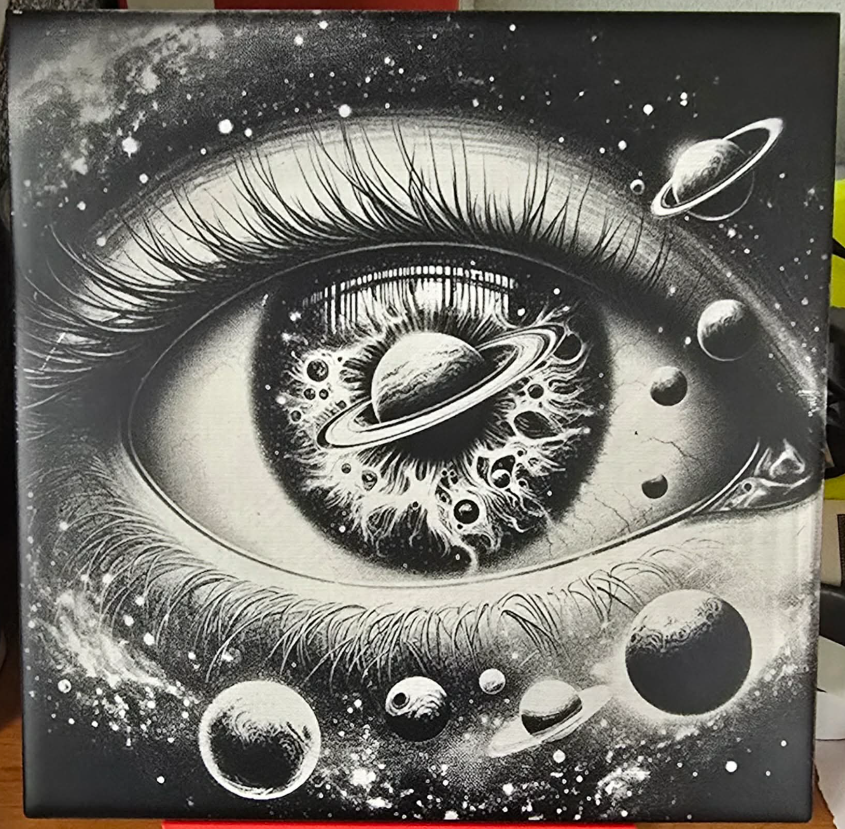
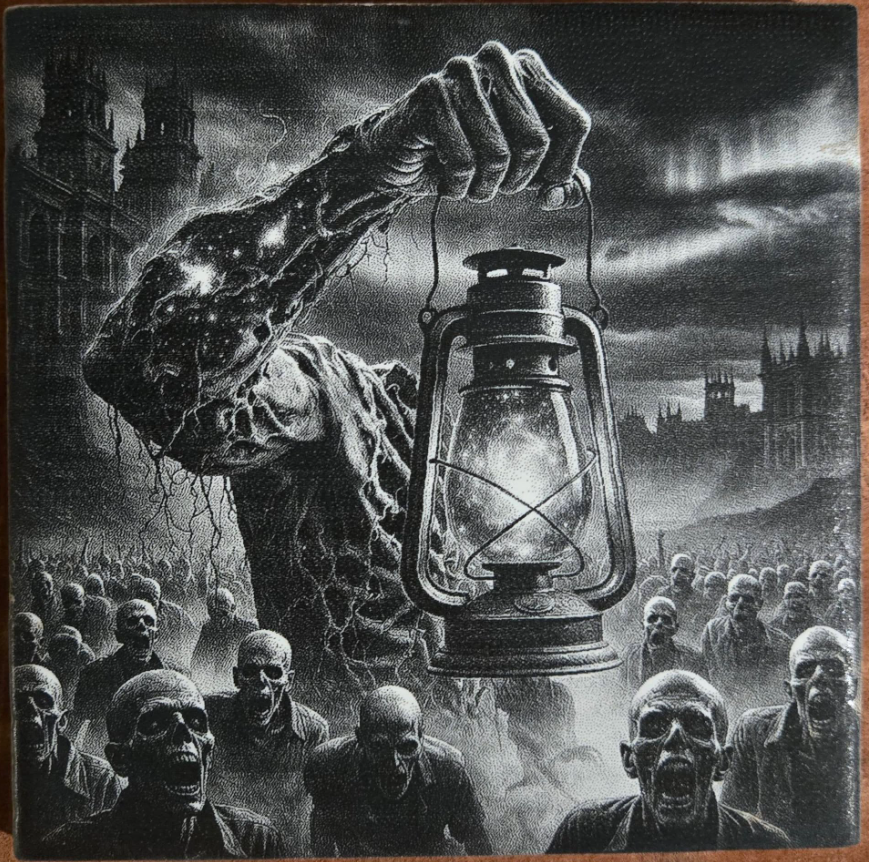




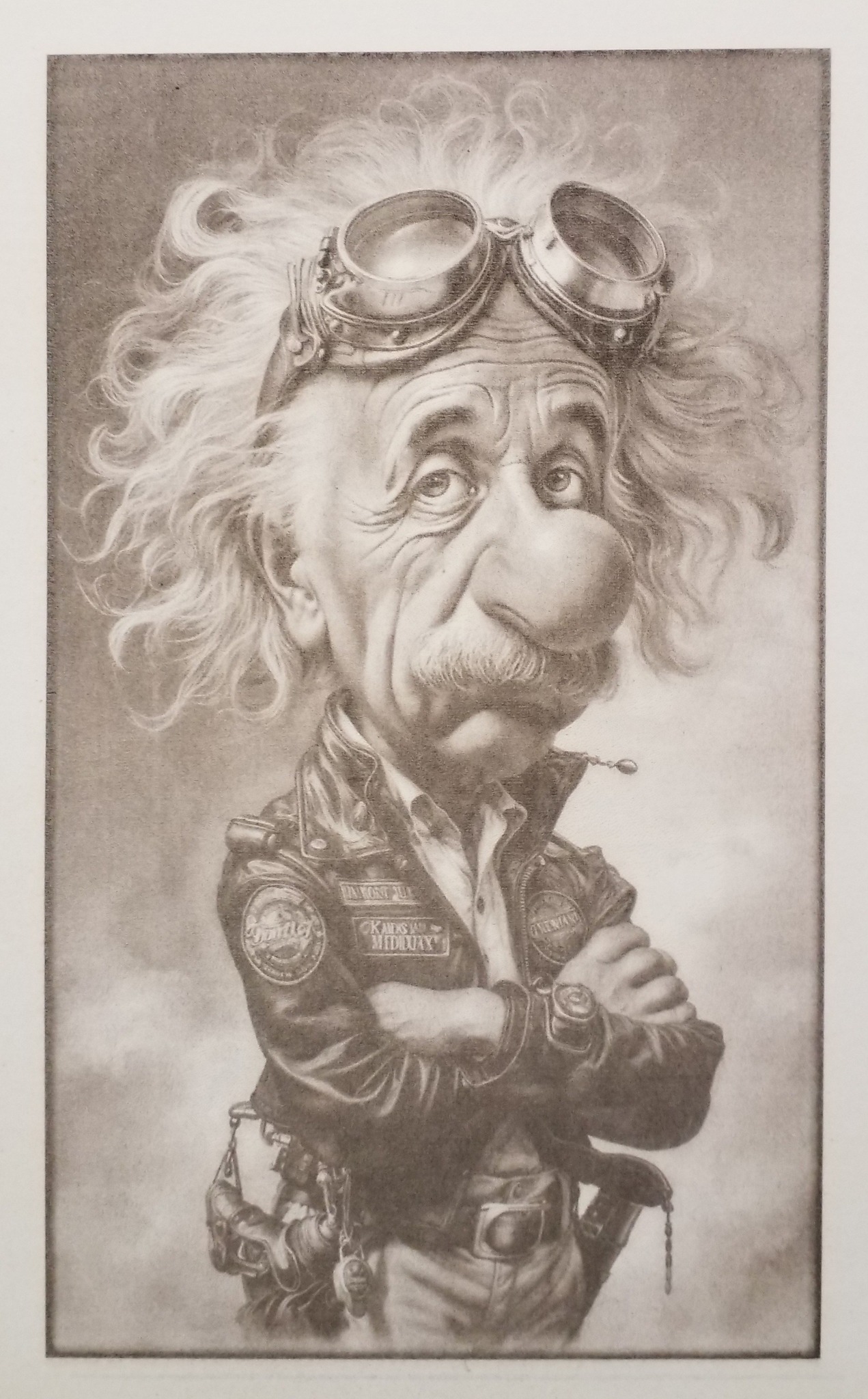














The DithX Process
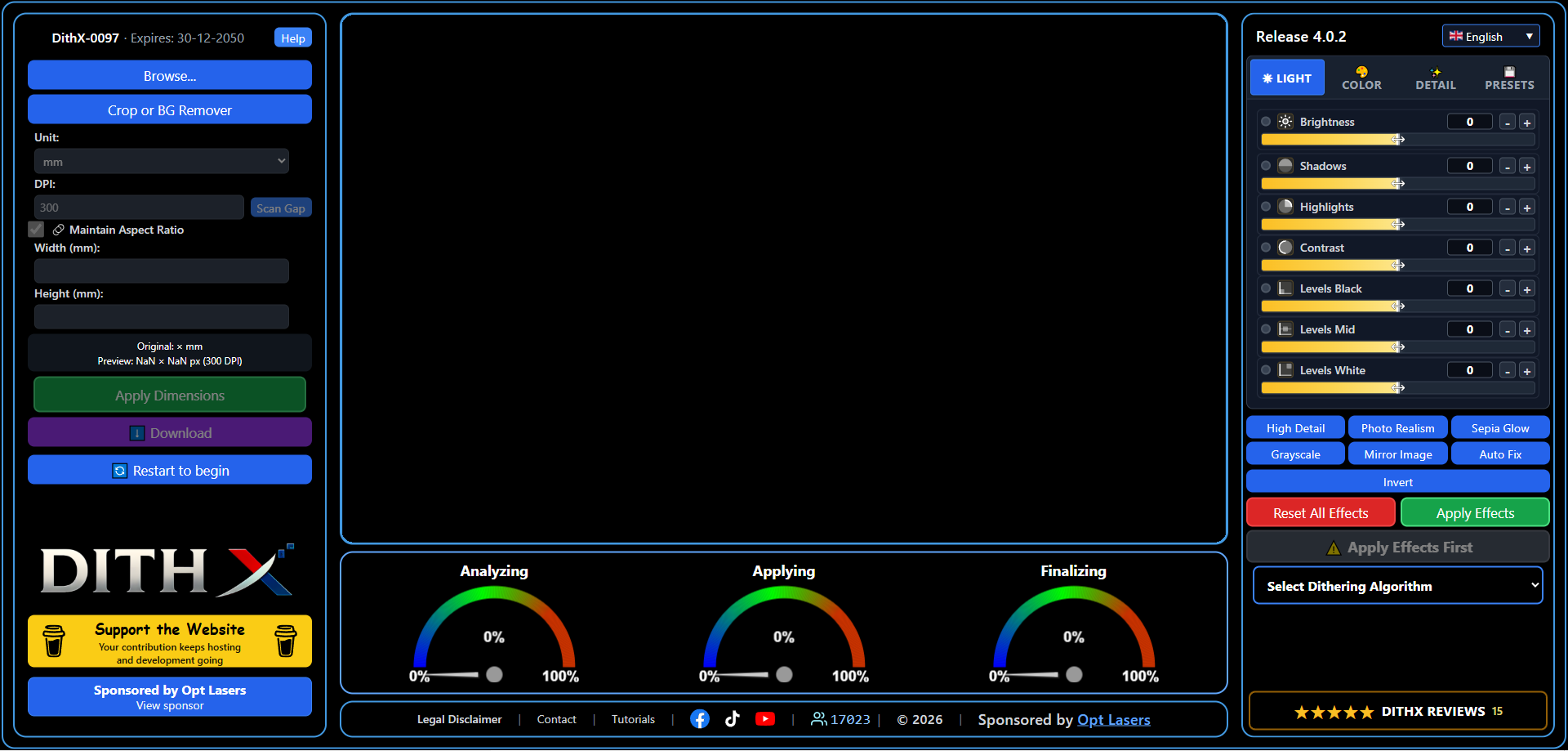
1. Upload & Info
Upload PNG, JPEG, or BMP. Analyze output size and DPI instantly.
2. Pro Cropping
Rectangle, Circle, Hexagon, or Freehand. Aspect ratio locking included.
3. Background Tools
AI background removal with manual brushes. Replace transparency with solid colors or custom images.
4. Precise Dimensions
Set physical dimensions (mm/inch) and DPI for perfect scaling.
5. Effects & Text Editor
Gamma, Noise, Sharpness, Line Art, Sepia, and more. Full text editor with custom fonts, strokes, and Curved Text support.
6. Dithering
Choose from 27 Algorithms including Error Diffusion and Blue Noise patterns.
7. Slicing & Tiles
Split large images into printable tiles.
8. Jigsaw Puzzles
Jigsaw Puzzles generator.
9. Contour Tracing
Contour Tracing generator.
27 DithX Algorithms
Floyd–Steinberg
The best all-rounder.
Atkinson
High contrast, clean look.
Stucki
Sharp, detailed look.
Burkes
Fast and sharp.
Sierra
Smooth, high quality.
Sierra Lite
Fast Sierra variant.
Sierra Two-Row
Balanced diffusion.
Jarvis–Judice–Ninke
Aggressive, sharp diffusion.
Stevenson–Arce
Hexagonal distribution.
Ostromoukhov
Artistic, natural look.
Zigzag Floyd–Steinberg
Serpentine scan reduces worms.
Shiau–Fan
Optimized to reduce worms.
Filter Lite
Minimal computation mode.
Knoll
Artistic stipple texture.
Custom
User-defined parameters.
Custom Diffusion
Edit kernel weights.
Zuderhoff
Unique diffusion texture.
Nova
High-frequency modern diffusion.
Helix
Spiral-path diffusion.
Bayer (Ordered)
Classic cross-hatch matrix.
Blue Noise
Organic, film-grain look.
NeoMatrix
Complex ordered matrix.
DeltaGrid
Triangular grid pattern.
Zircon
Crystalline ordered texture.
Adaptive
Content-aware sharpening.
Dot Diffusion
Knuth's mezzotint-like dither.
Grayscale
No dithering (Depth Map).
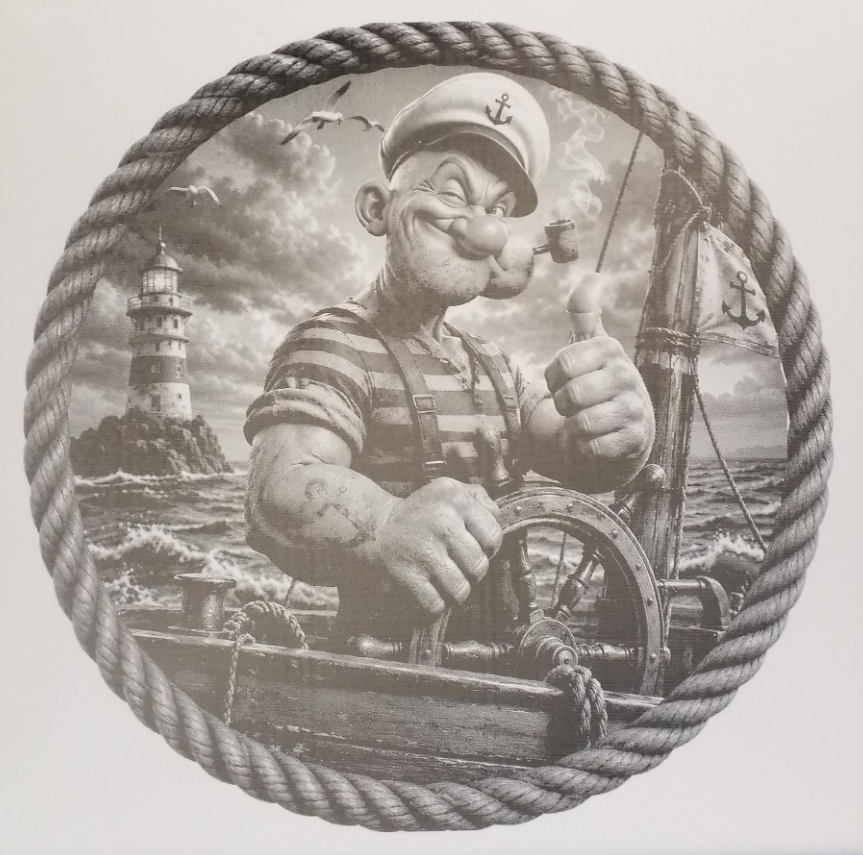
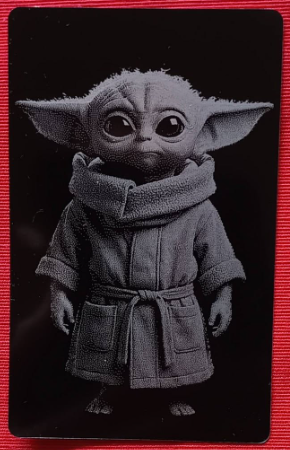
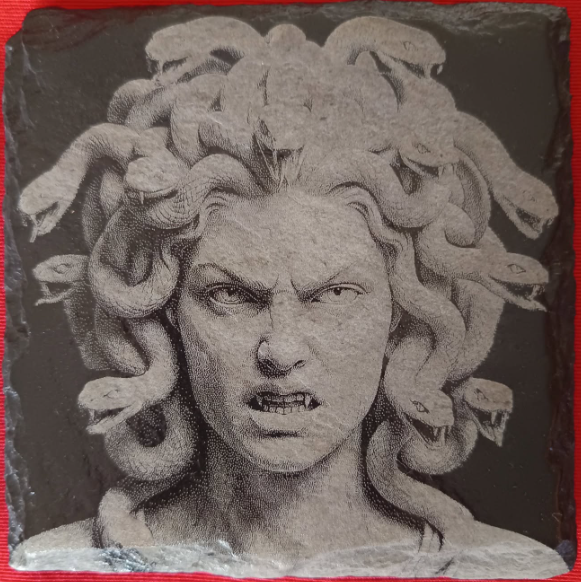
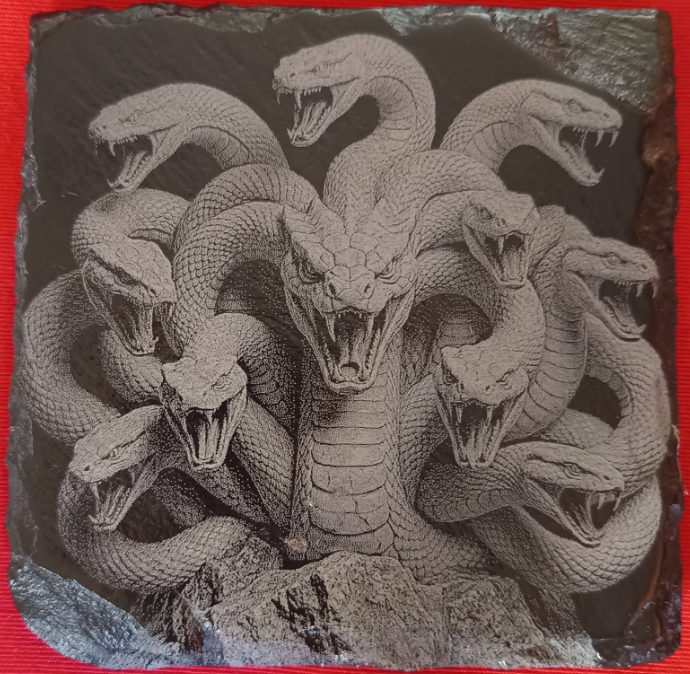
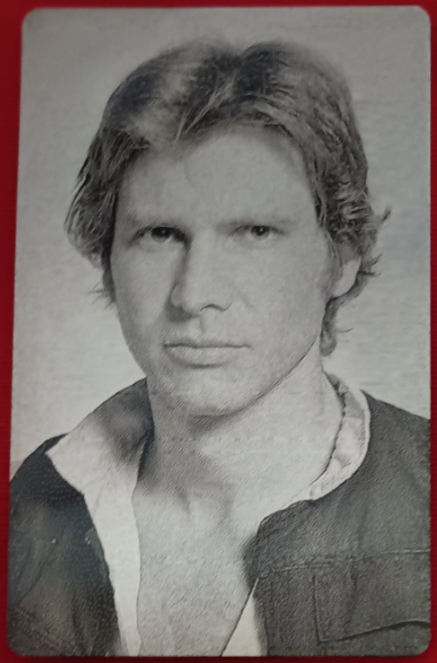
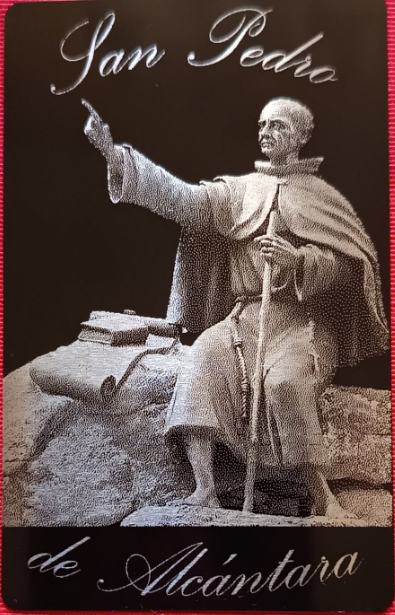
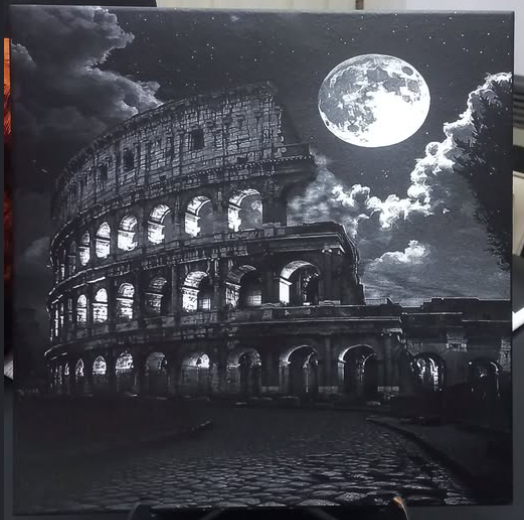
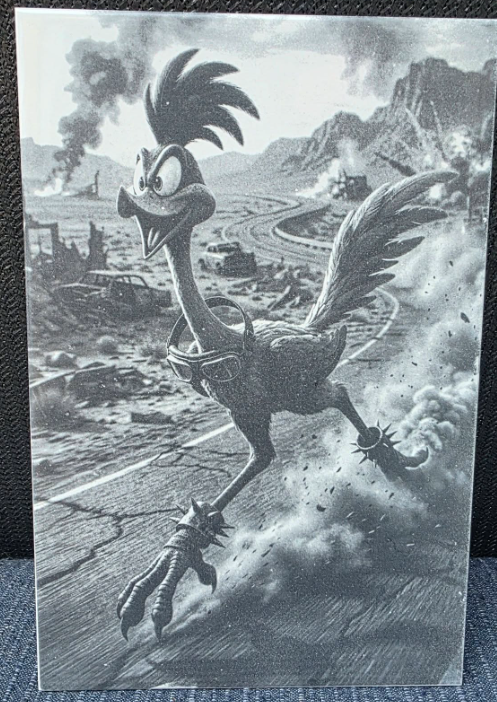
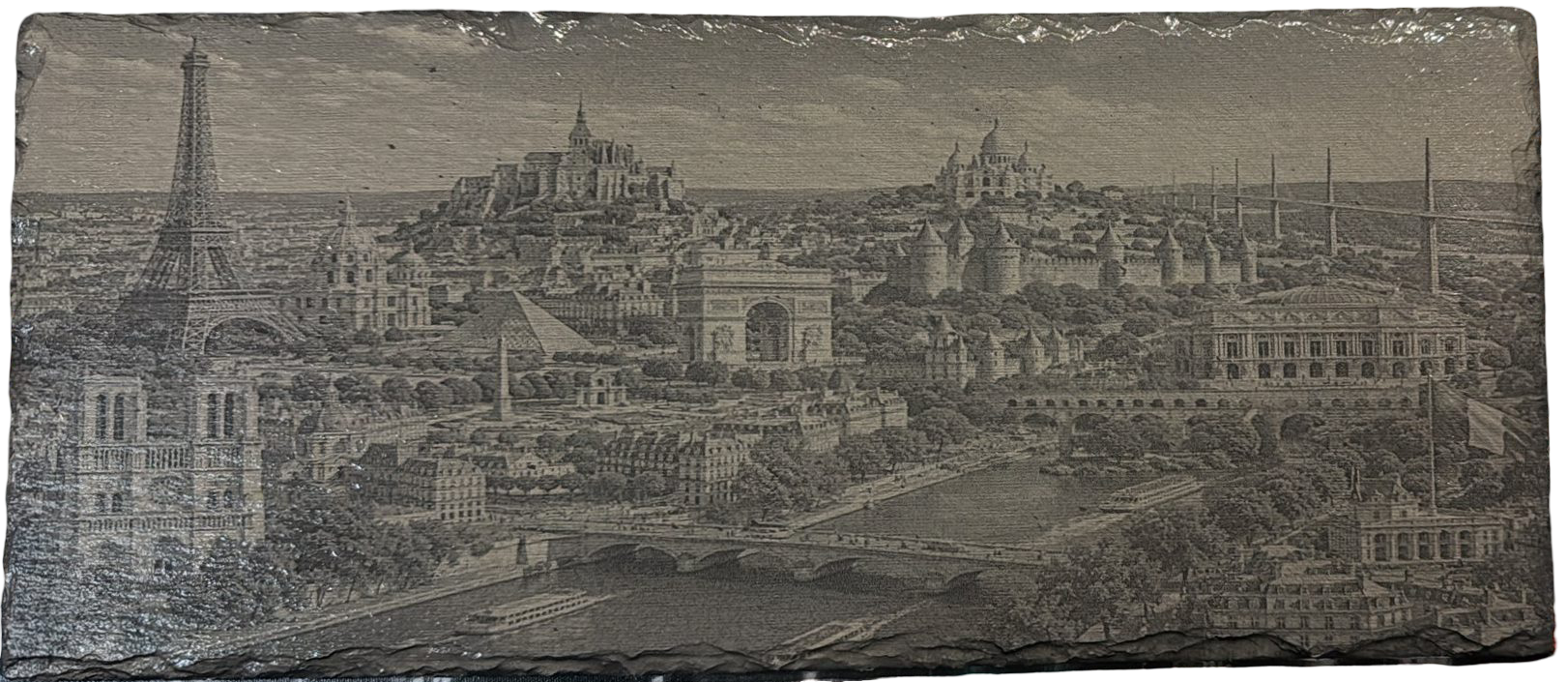
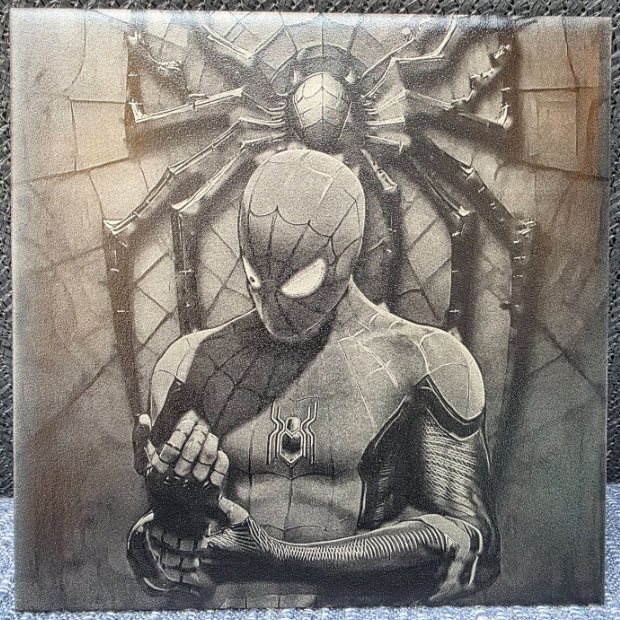
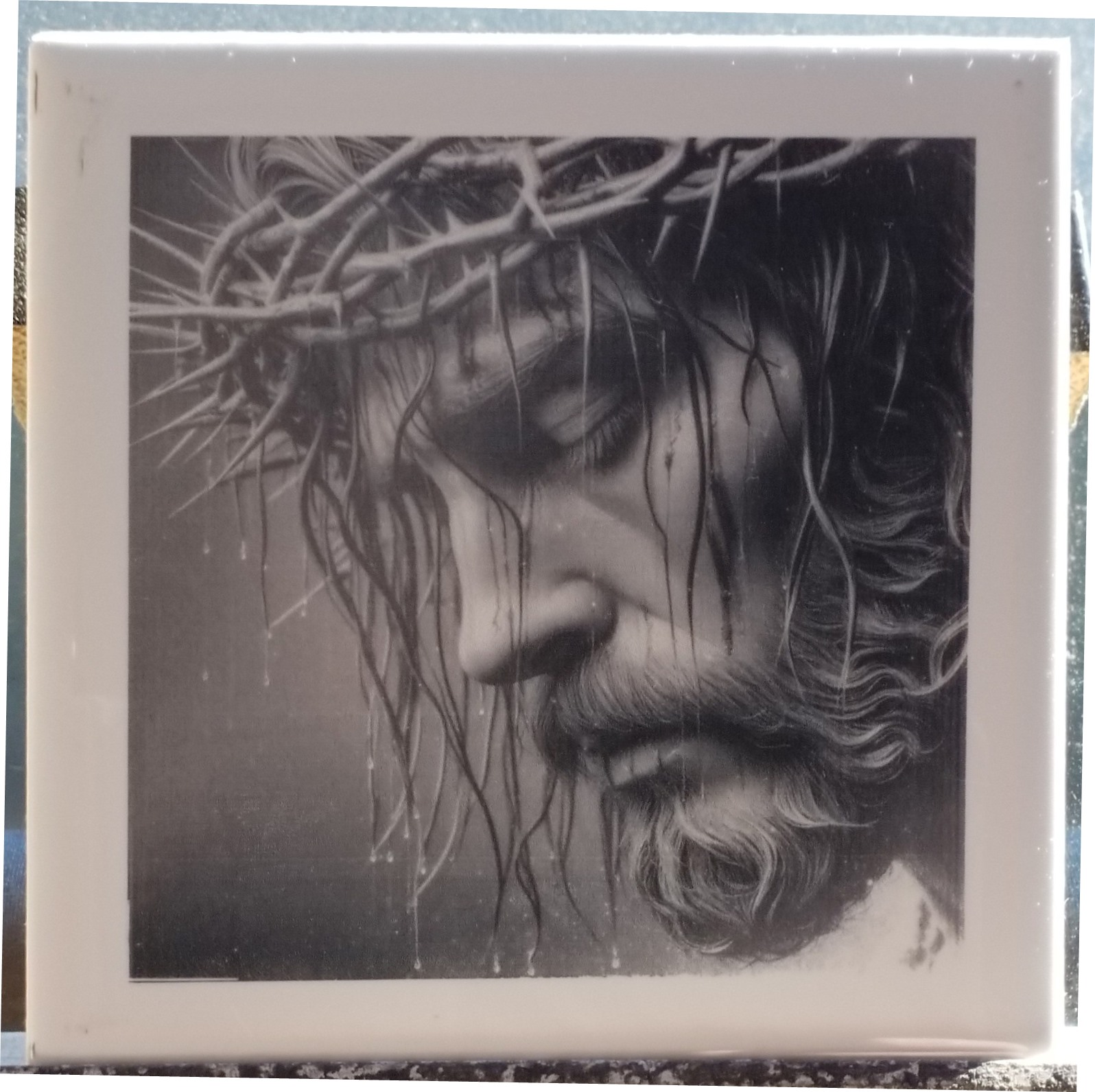
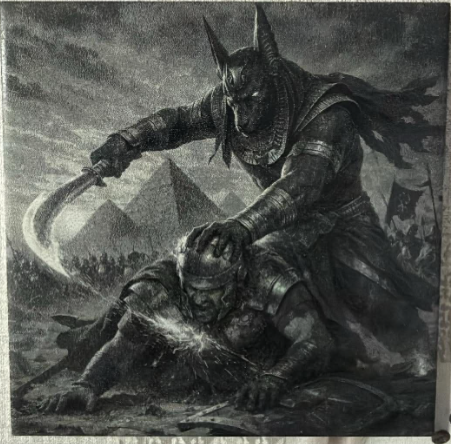
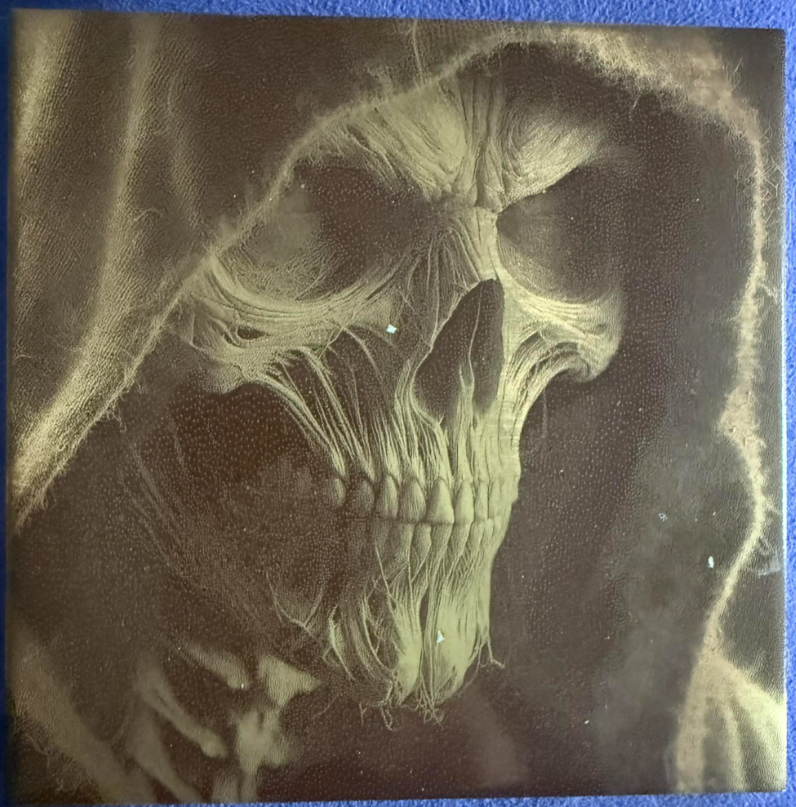
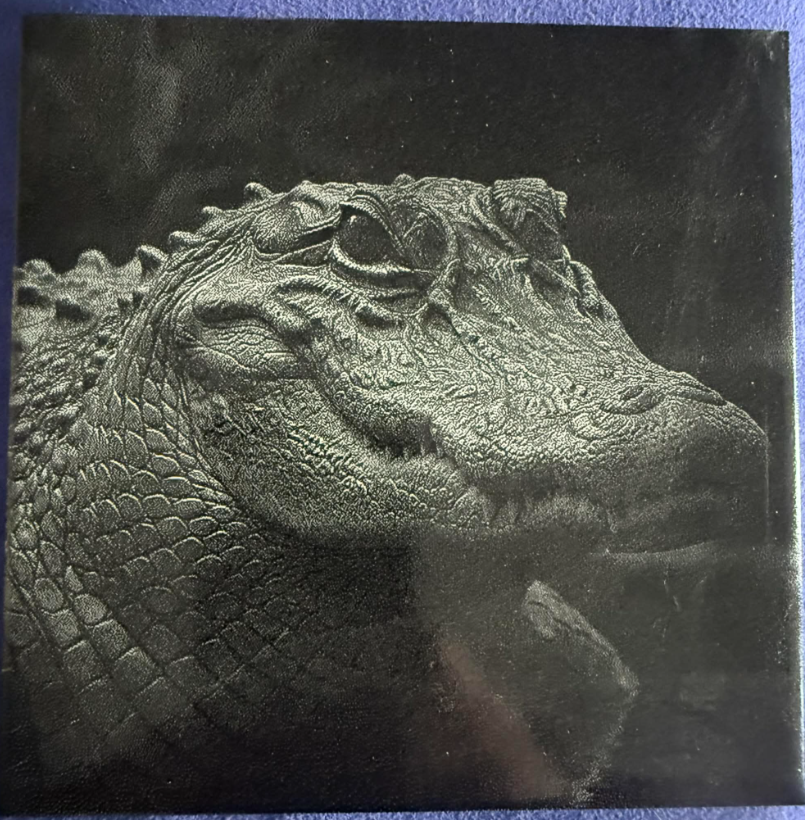
Gallery

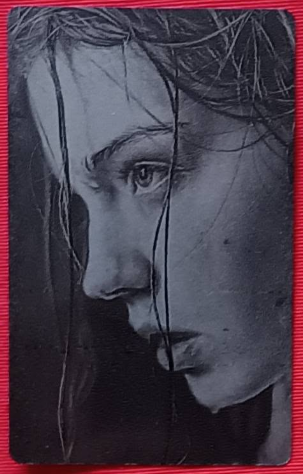
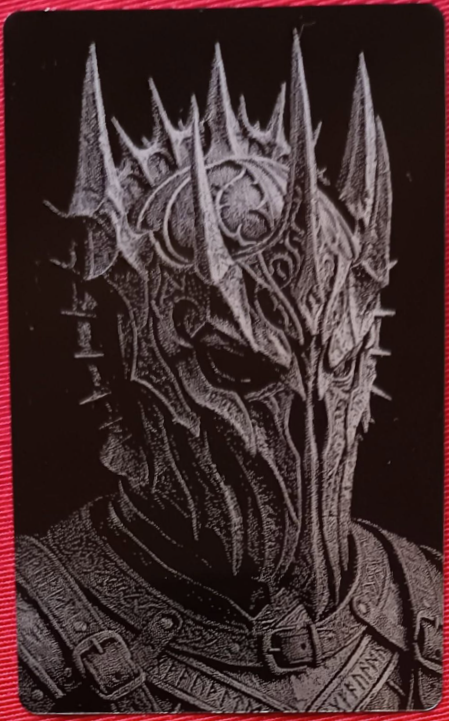
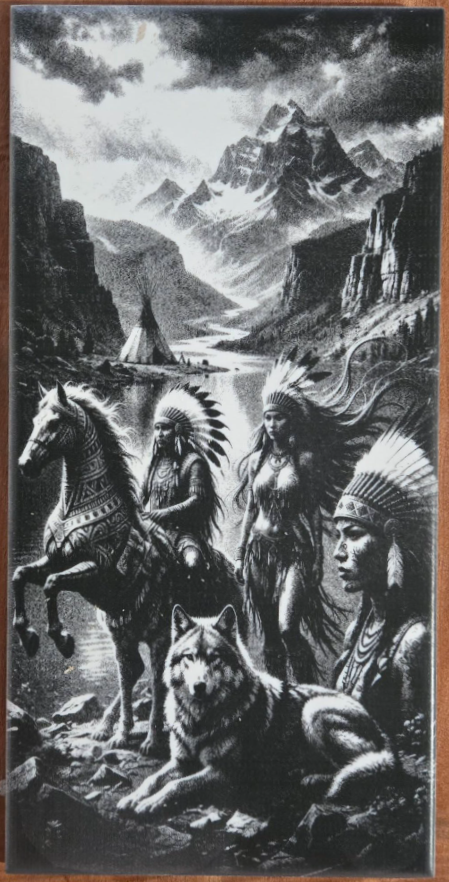
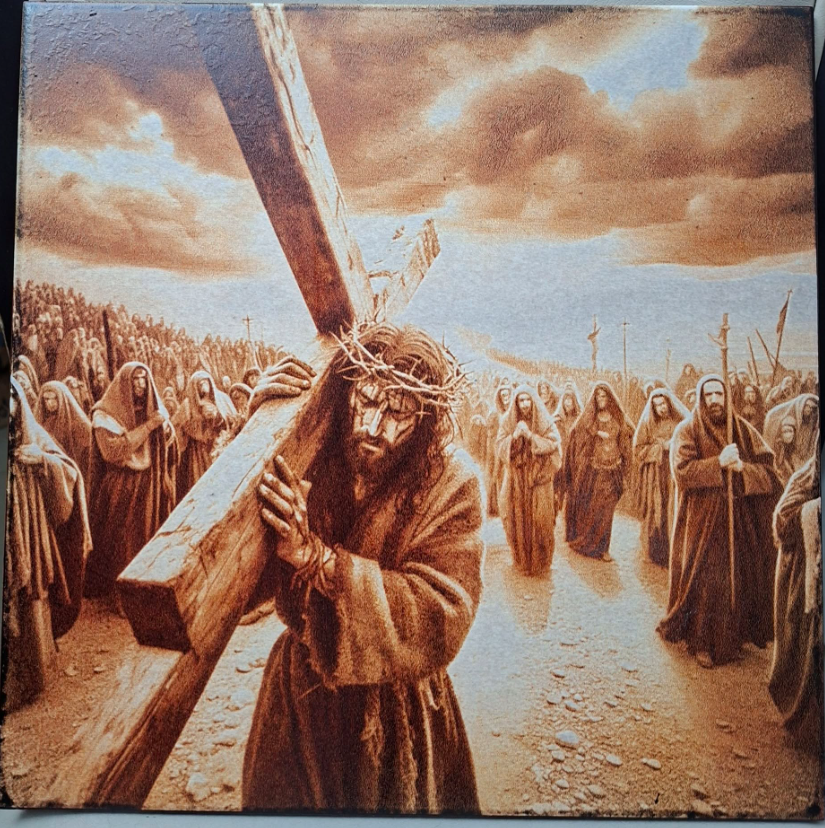
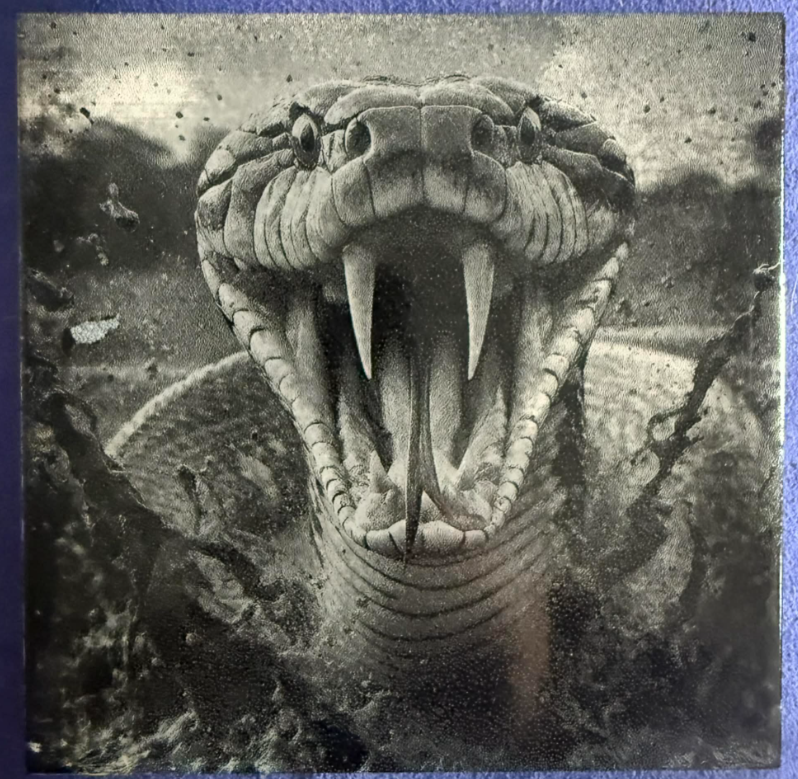
DithX (Jarvis)

DithX (Jarvis)

DithX (Jarvis)

DithX (Jarvis)

Hernandez Lozano
DithX (Jarvis)

Hernandez Lozano
DithX (Jarvis)

Hernandez Lozano
DithX (Jarvis)

DithX (Stucki)

DithX (Stucki)

Hernandez Lozano
DithX (Jarvis)

DithX (Sierra)
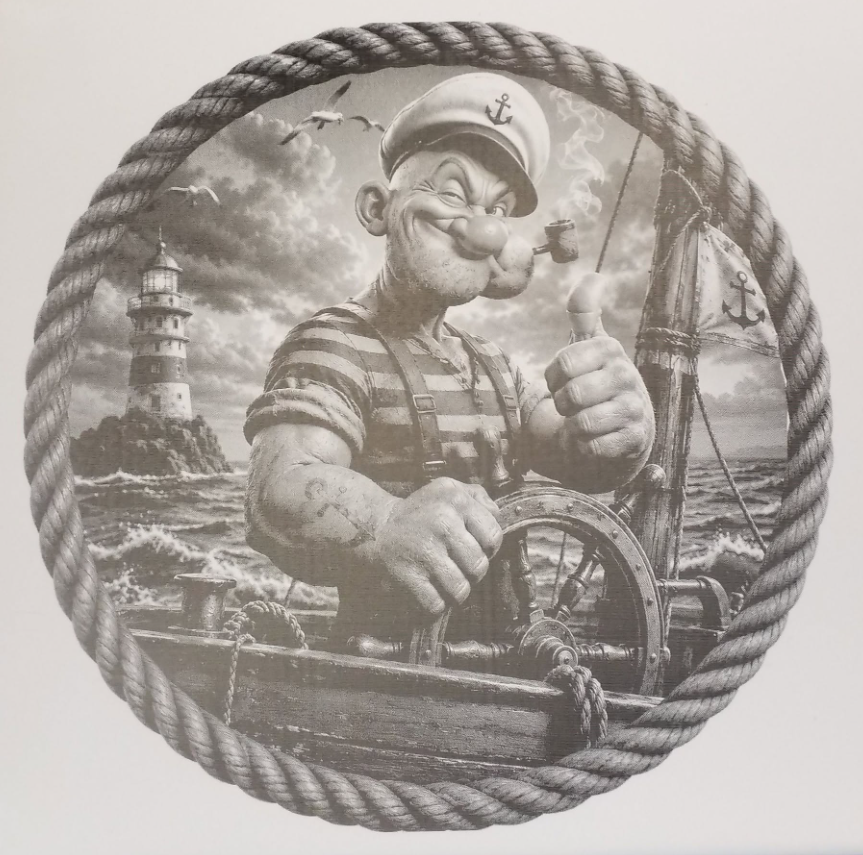
DithX (Atkinson)

DithX (Stevenson Arce)

DithX (Jarvis)

DithX (Jarvis)
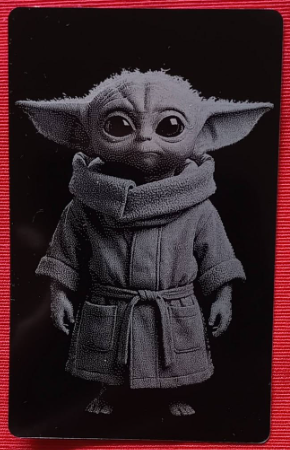
Hernandez Lozano
DithX (Jarvis)
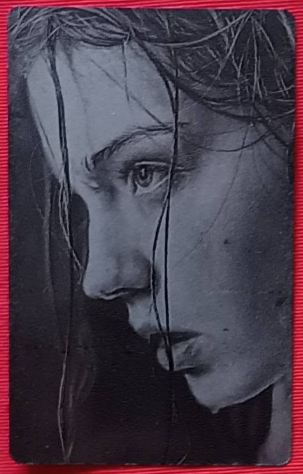
Hernandez Lozano
DithX (Jarvis)
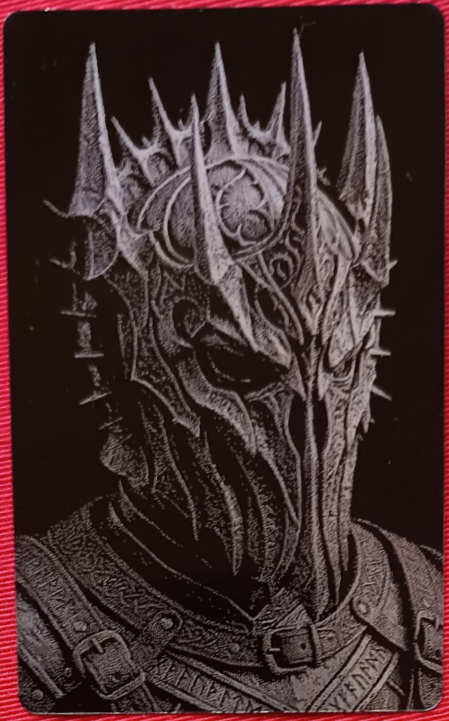
Hernandez Lozano
DithX (Jarvis)

Hernandez Lozano
DithX (Jarvis)

Hernandez Lozano
DithX (Jarvis)

Hernandez Lozano
DithX (Jarvis)

DithX (Jarvis)

DithX (Jarvis)

DithX (Jarvis)
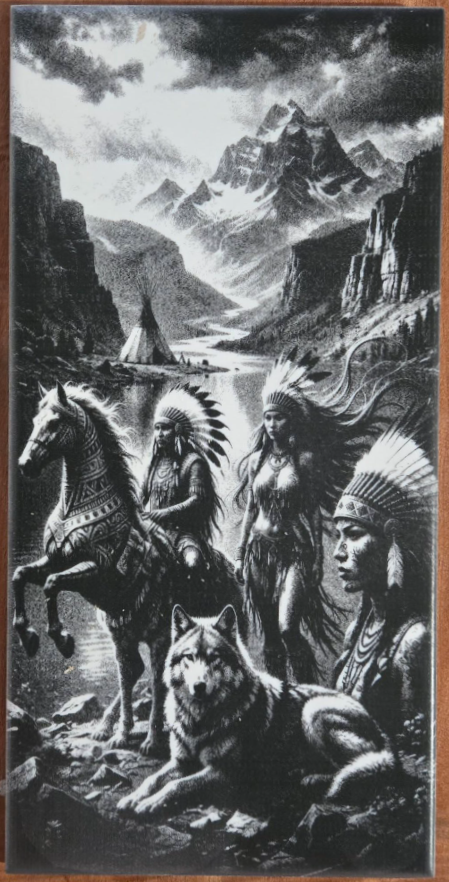
DithX (Jarvis)
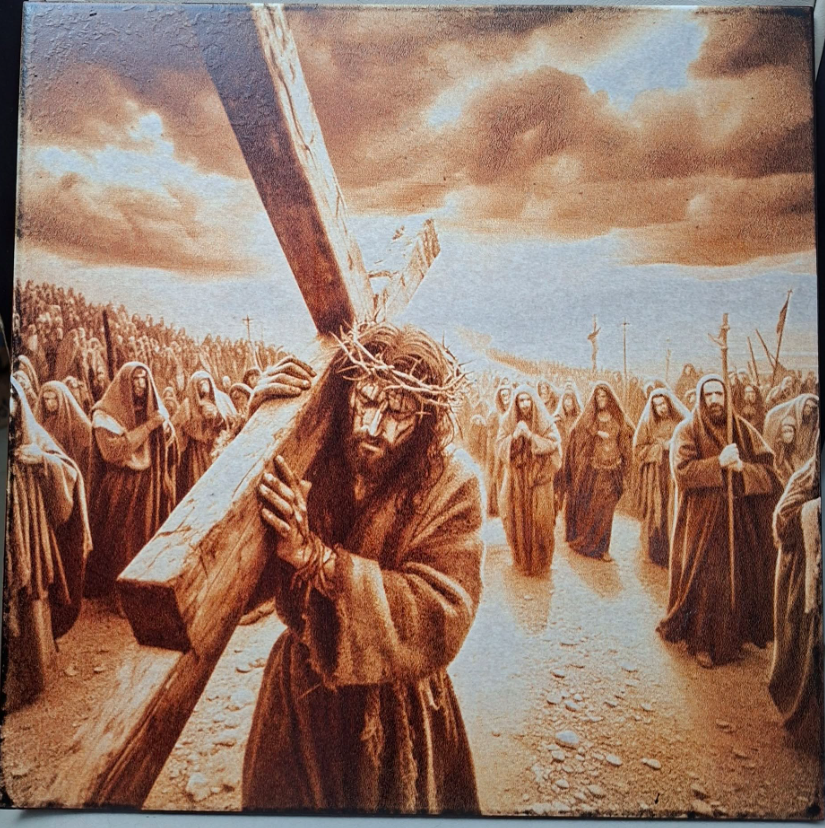
DithX (Stucki)

DithX (Zuderhoff)

DithX (Zuderhoff)

DithX (Zuderhoff)

DithX (Jarvis)

DithX (Jarvis)

Hernandez Lozano
DithX (Jarvis)

DithX (Jarvis)

Hernandez Lozano
DithX (Jarvis)

Hernandez Lozano
DithX (Jarvis)

DithX (Jarvis)

DithX (Jarvis)

Hernandez Lozano
DithX (Jarvis)

Hernandez Lozano
DithX (Jarvis)

DithX (Jarvis)

Hernandez Lozano
DithX (Jarvis)

DithX (Jarvis)

DithX (Jarvis)

Hernandez Lozano
DithX (Jarvis)
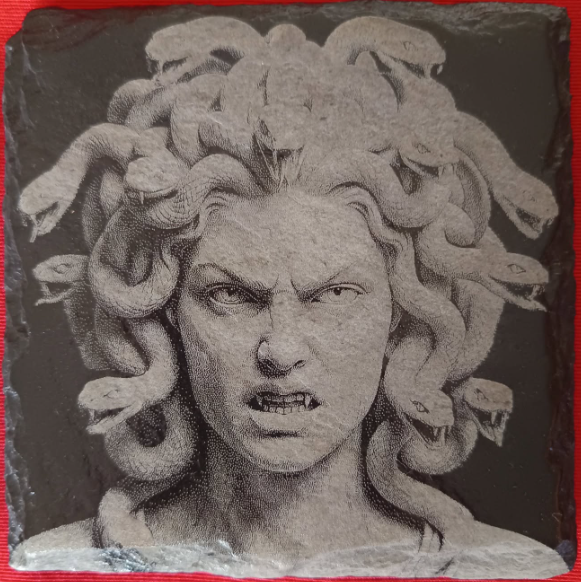
Hernandez Lozano
DithX (Jarvis)
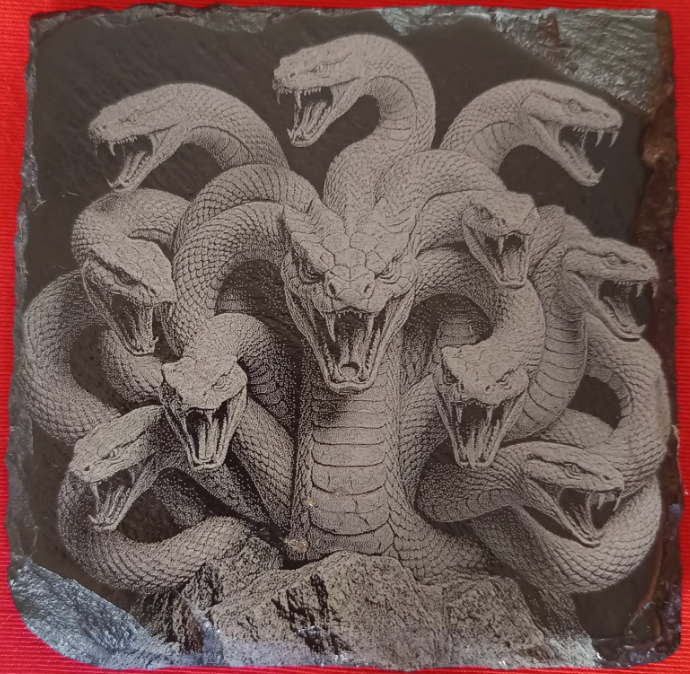
Hernandez Lozano
DithX (Jarvis)

Hernandez Lozano
DithX (Jarvis)

Hernandez Lozano
DithX (Jarvis)

Hernandez Lozano
DithX (Jarvis)
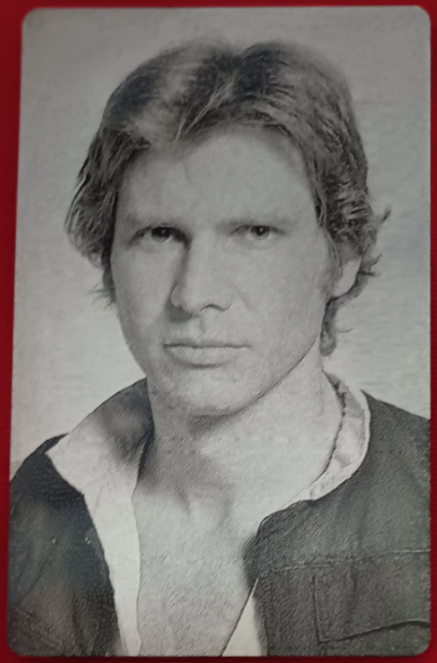
Hernandez Lozano
DithX (Jarvis)

DithX (Stucki)

DithX (Jarvis)
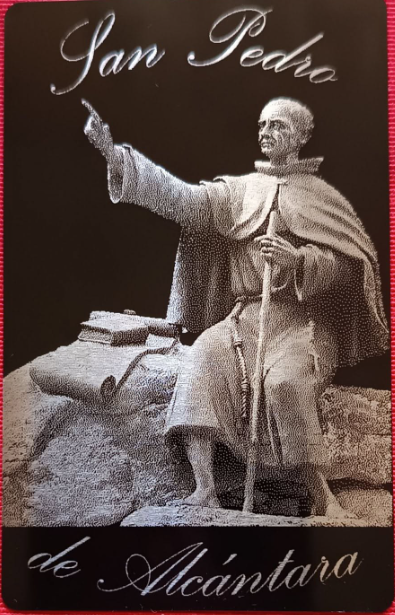
Hernandez Lozano
DithX (Jarvis)

DithX (Stucki)

Hernandez Lozano
DithX (Jarvis)

DithX (Jarvis)

Hernandez Lozano
DithX (Jarvis)
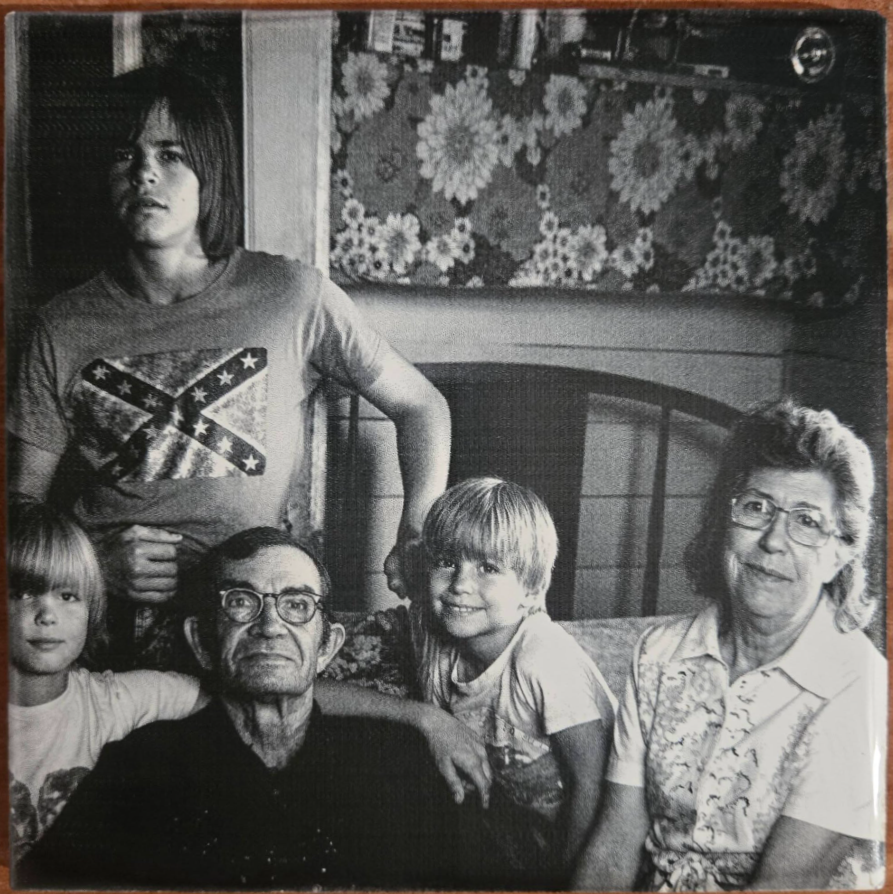
DithX (Jarvis)

DithX (Jarvis)

Hernandez Lozano
DithX (Jarvis)

DithX (Jarvis)

DithX (Jarvis)
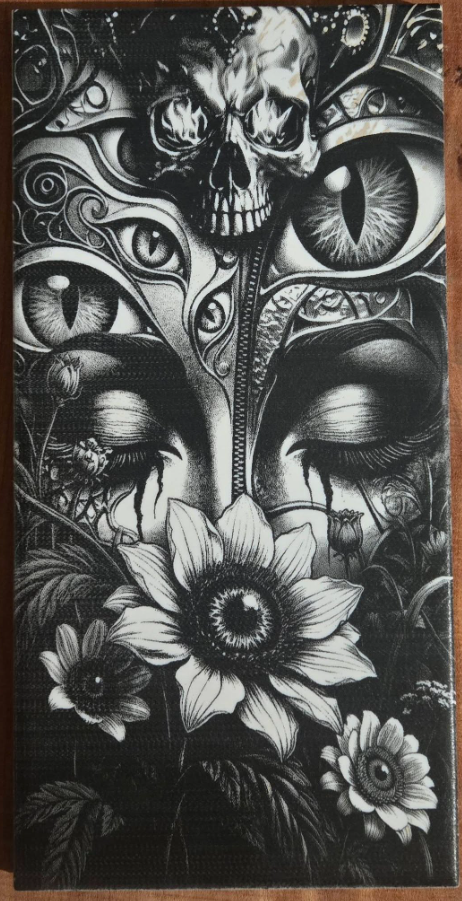
DithX (Jarvis)
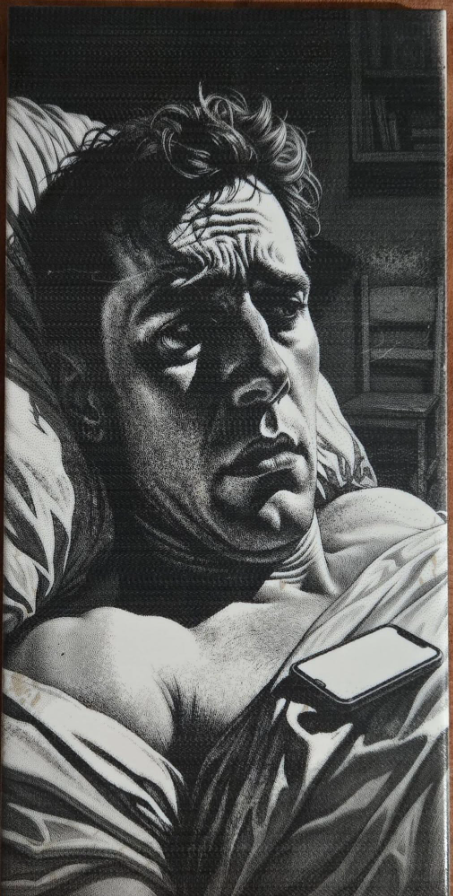
DithX (Jarvis)
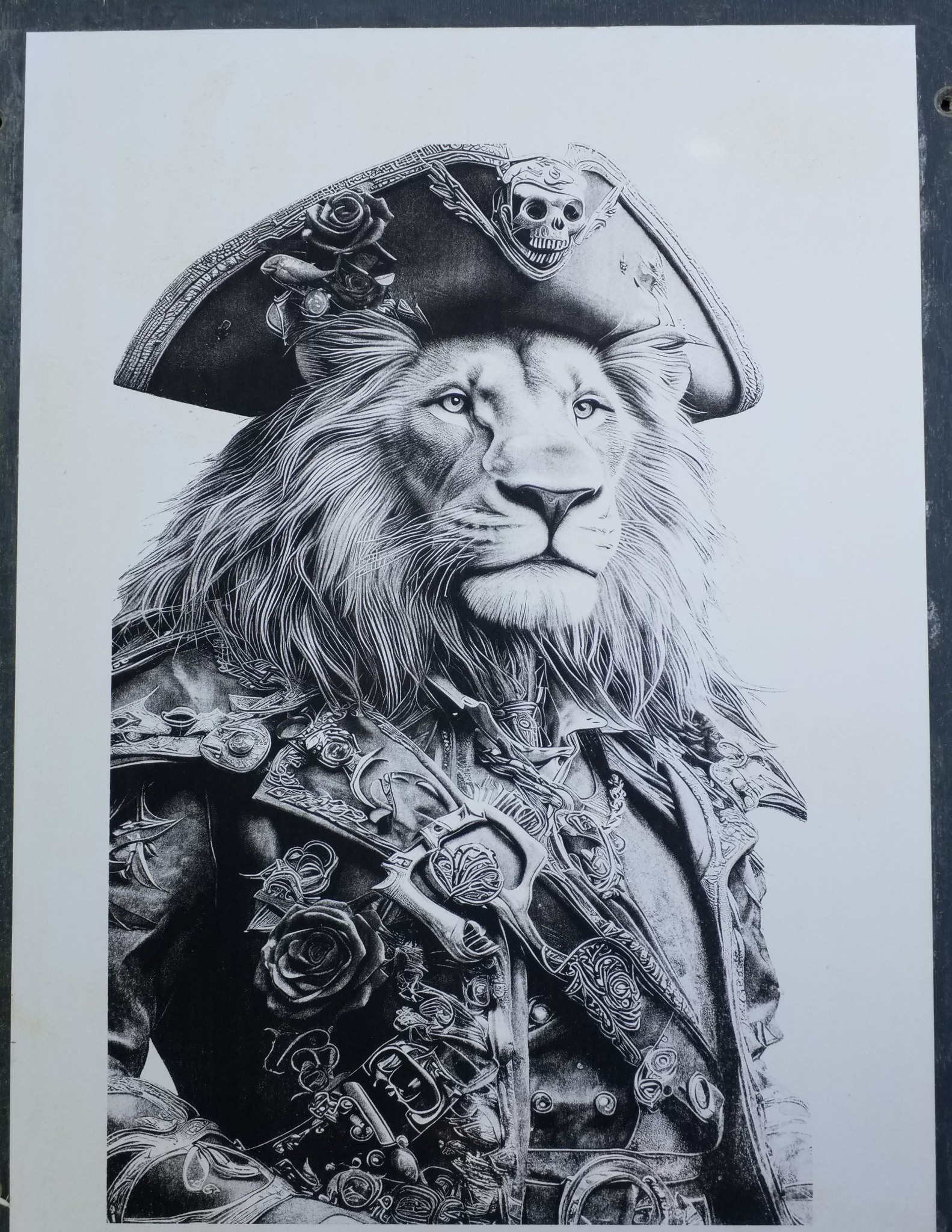
DithX (Ostromoukhov)

DithX (Jarvis)

DithX (Jarvis)
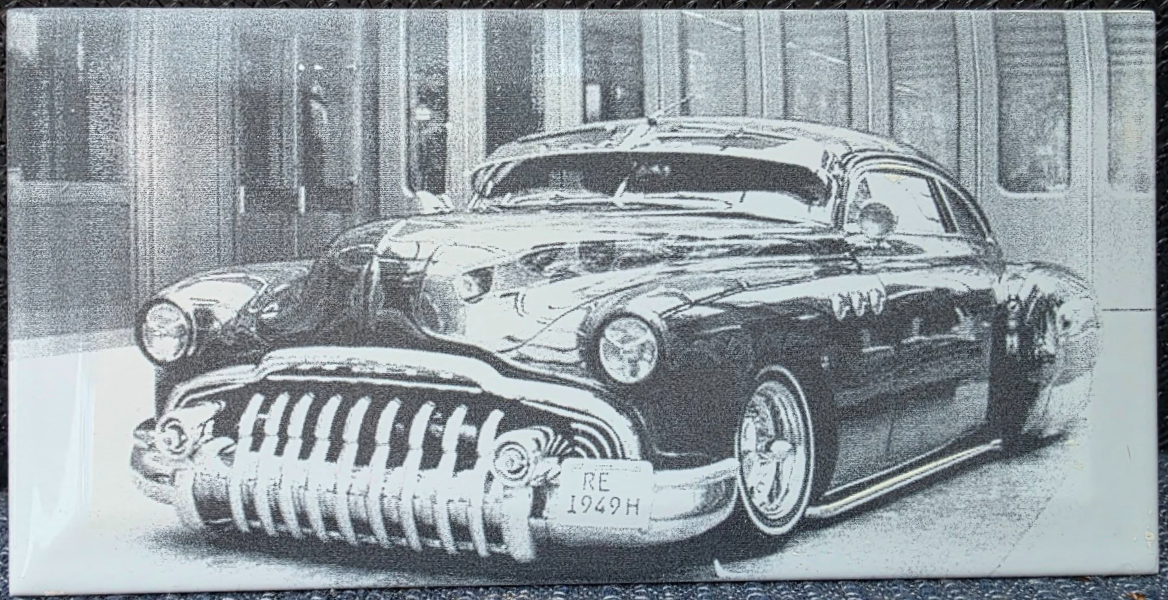
DithX (Jarvis)

DithX (Stucki)

DithX (Jarvis)

DithX (Jarvis)
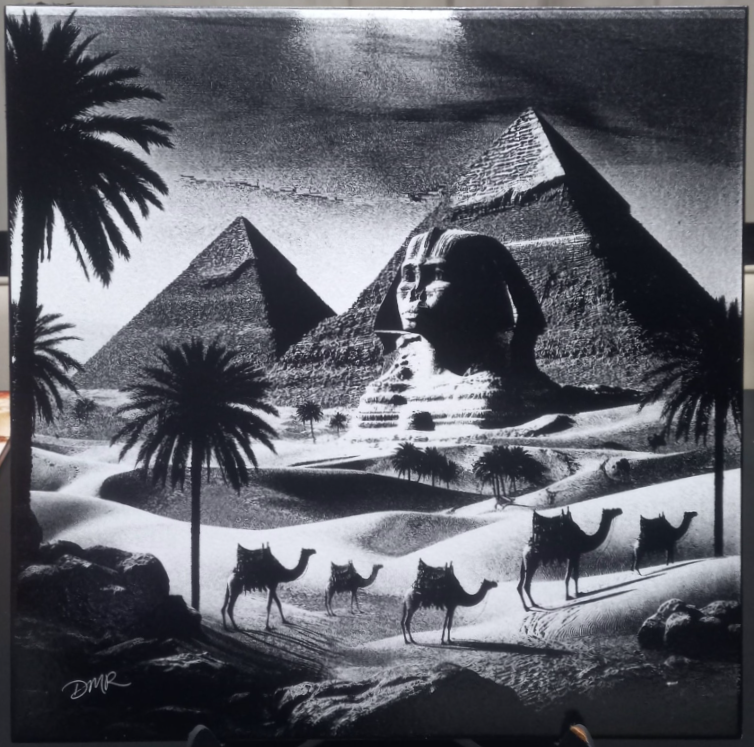
DithX (Stucki)

DithX (Stucki)

DithX (Jarvis)
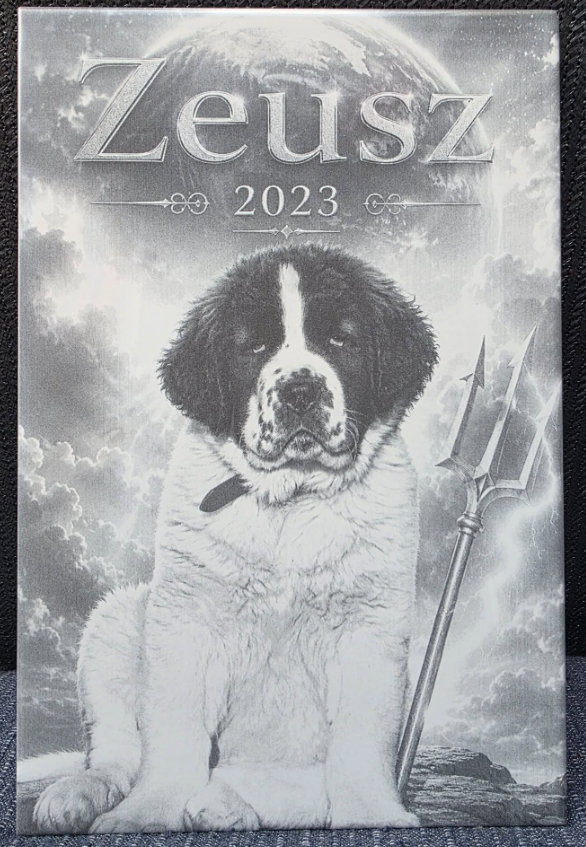
DithX (Jarvis)

DithX (Jarvis)

DithX (Zigzag Floyd–Steinberg)
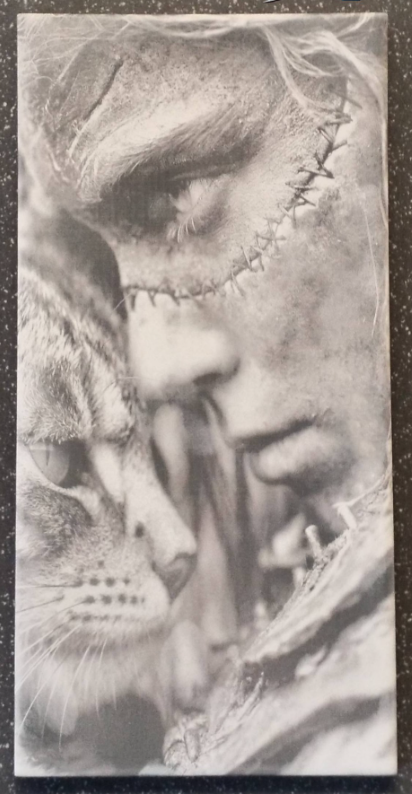
DithX (Zircon)

DithX (Atkinson)

DithX (Zunderhoff)

DithX (Floyd-Steinberg)

DithX (Zunderhoff)

DithX (Stucki)
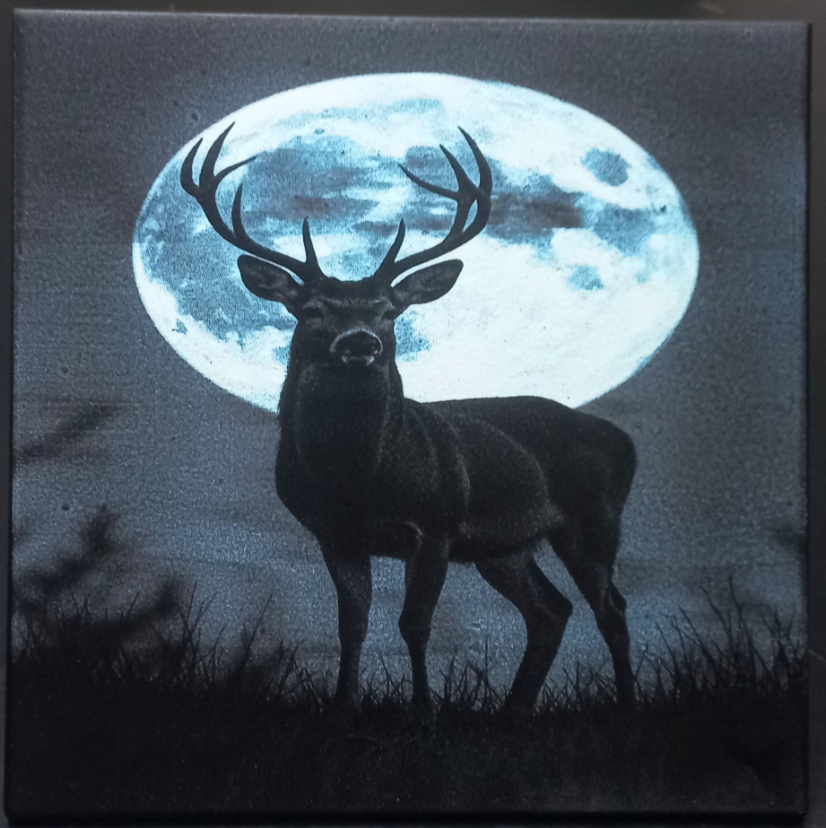
DithX (Stucki)
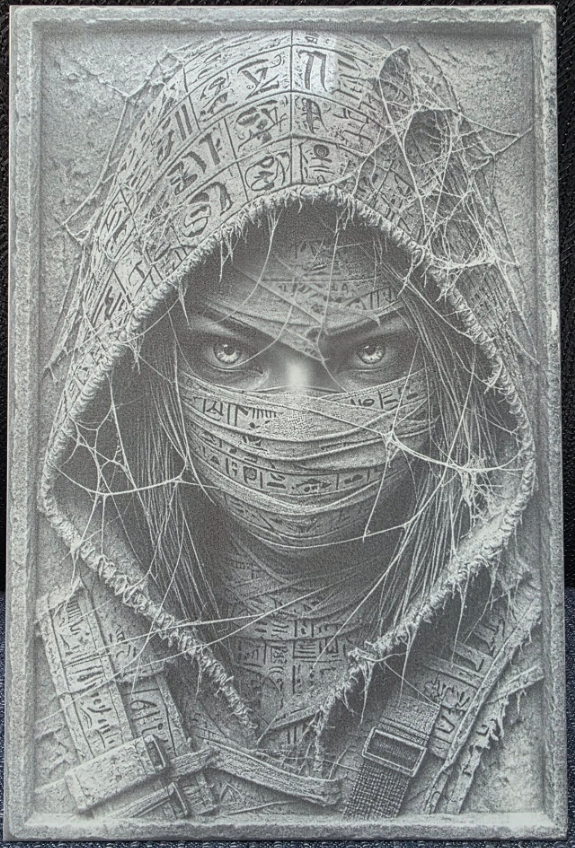
DithX (Jarvis)

DithX (Stucki)

DithX (Sierra)

DithX (Stucki)

DithX (Jarvis)

DithX (Jarvis)
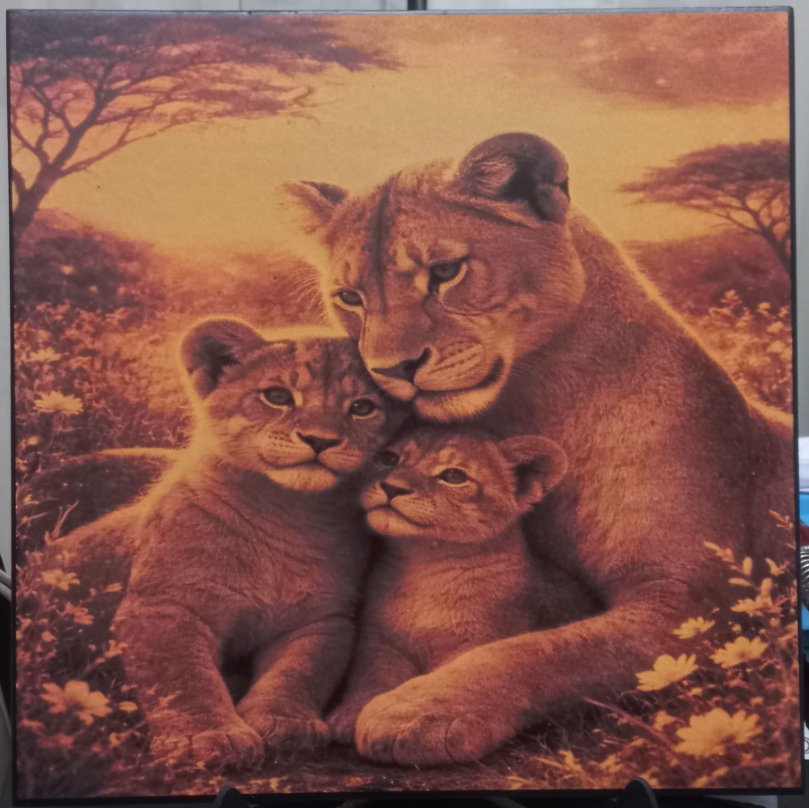
DithX (Stucki)

DithX (Jarvis)
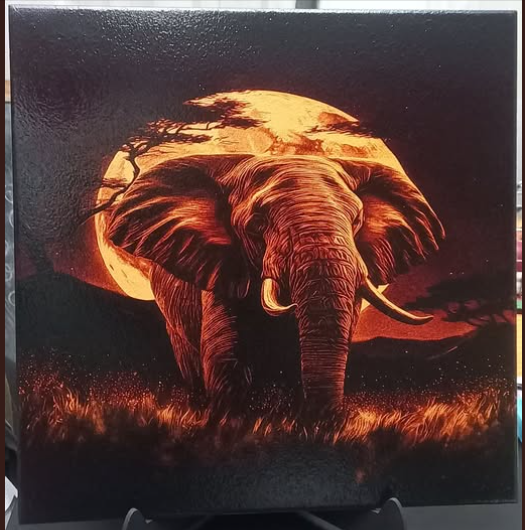
DithX (Stucki)
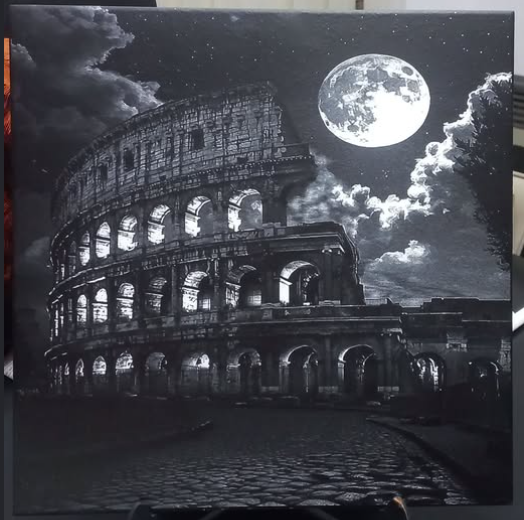
DithX (Stucki)

DithX (Jarvis)

DithX (Jarvis)
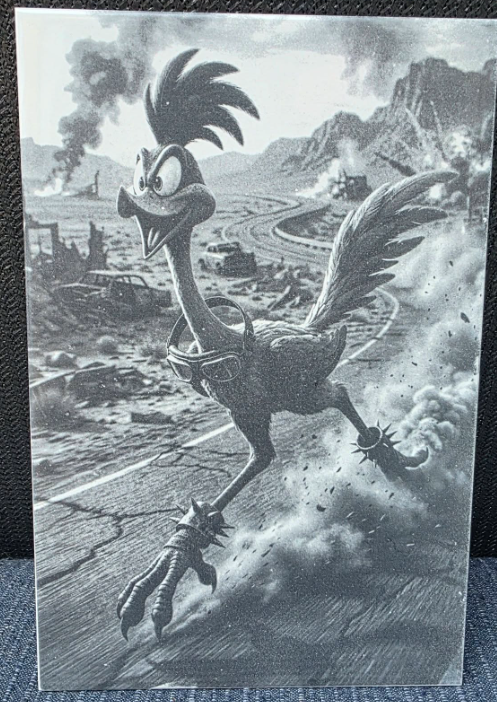
DithX (Jarvis)
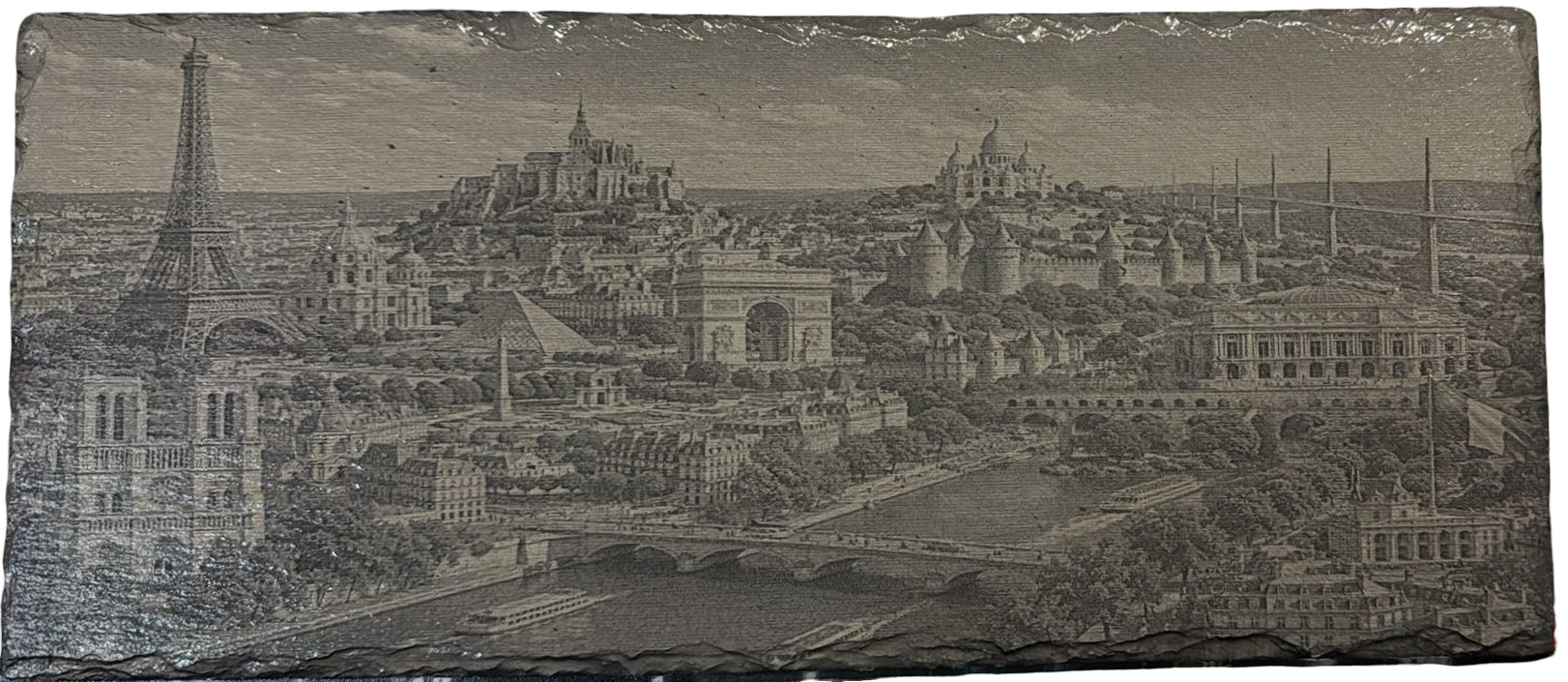
DithX (Grayscale)

DithX (Stucki)
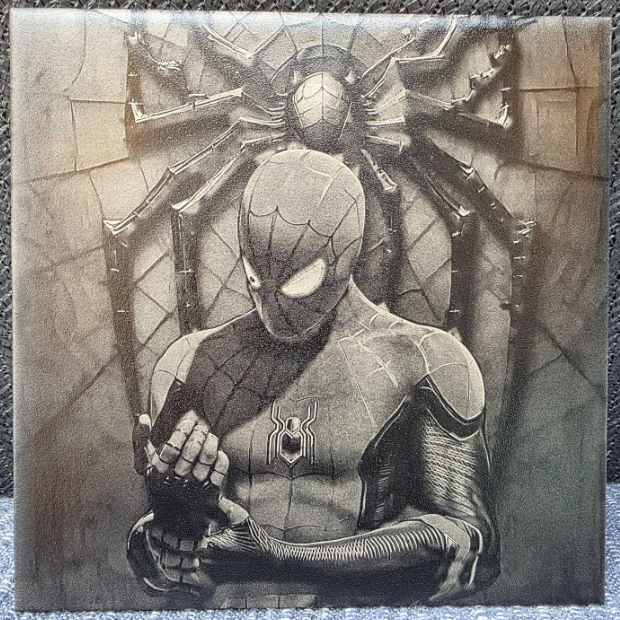
DithX (Stucki)

DithX (Stucki)

DithX (Jarvis)

DithX (Jarvis)

DithX (Jarvis)
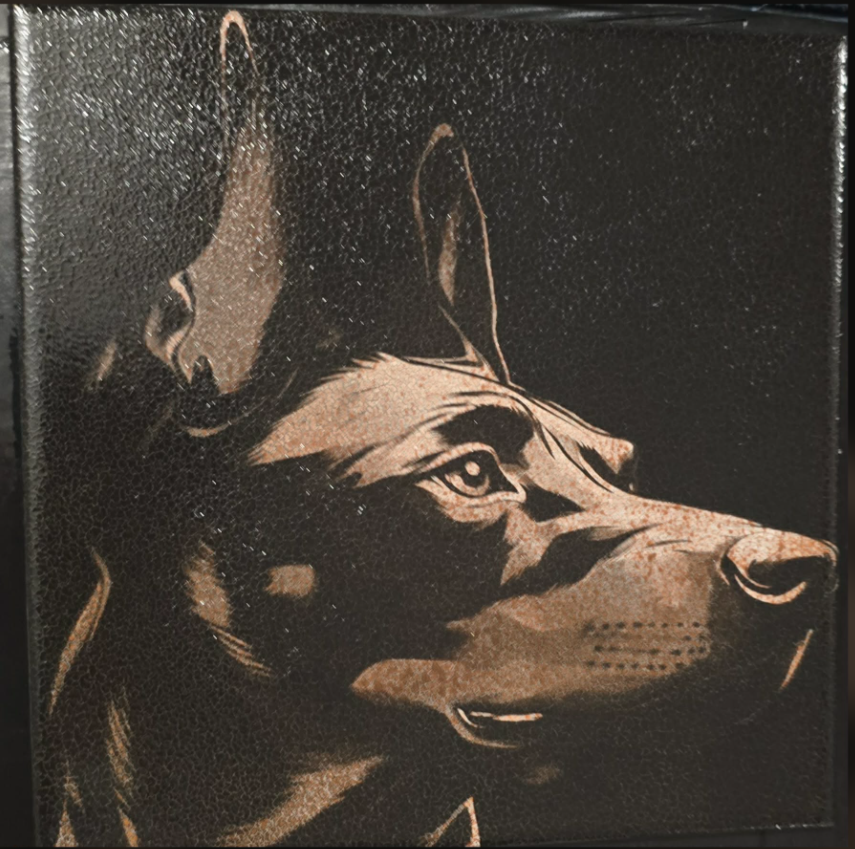
DithX (Jarvis)
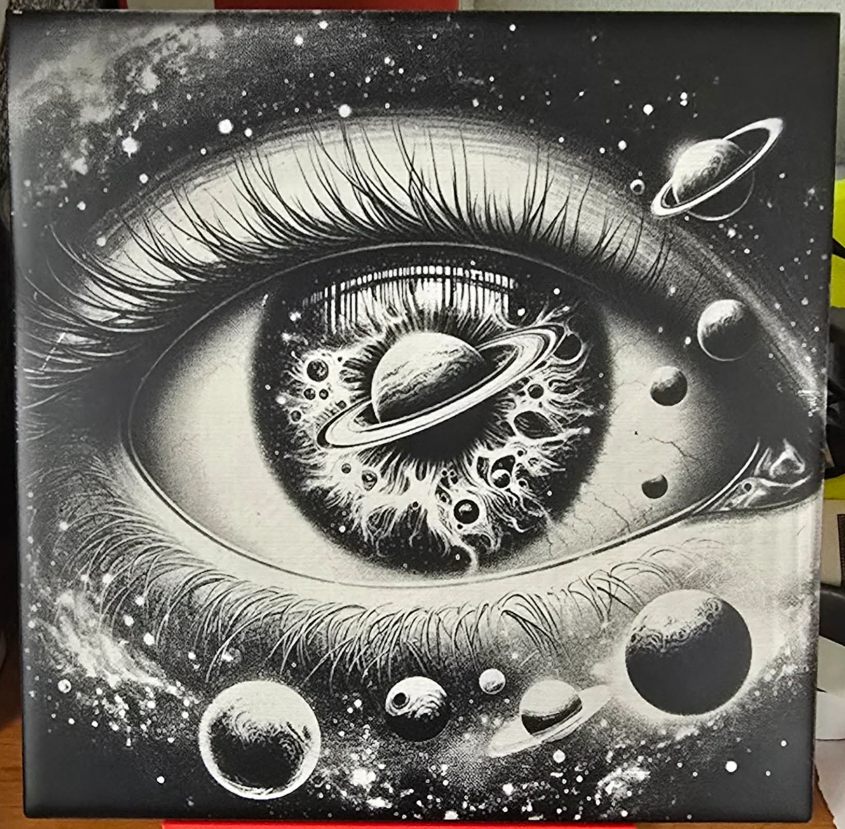
DithX (Jarvis)
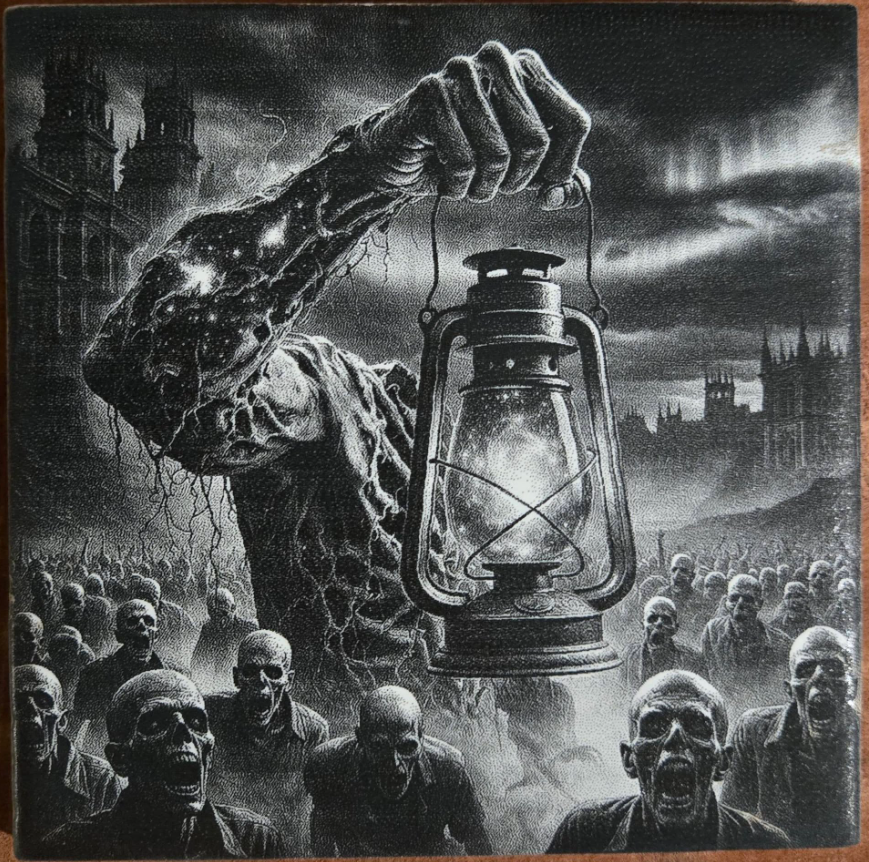
DithX (Jarvis)

DithX (Jarvis)

DithX (Jarvis‑Judice‑Ninke)

DithX (Filter Lite)

DithX (Stucki)
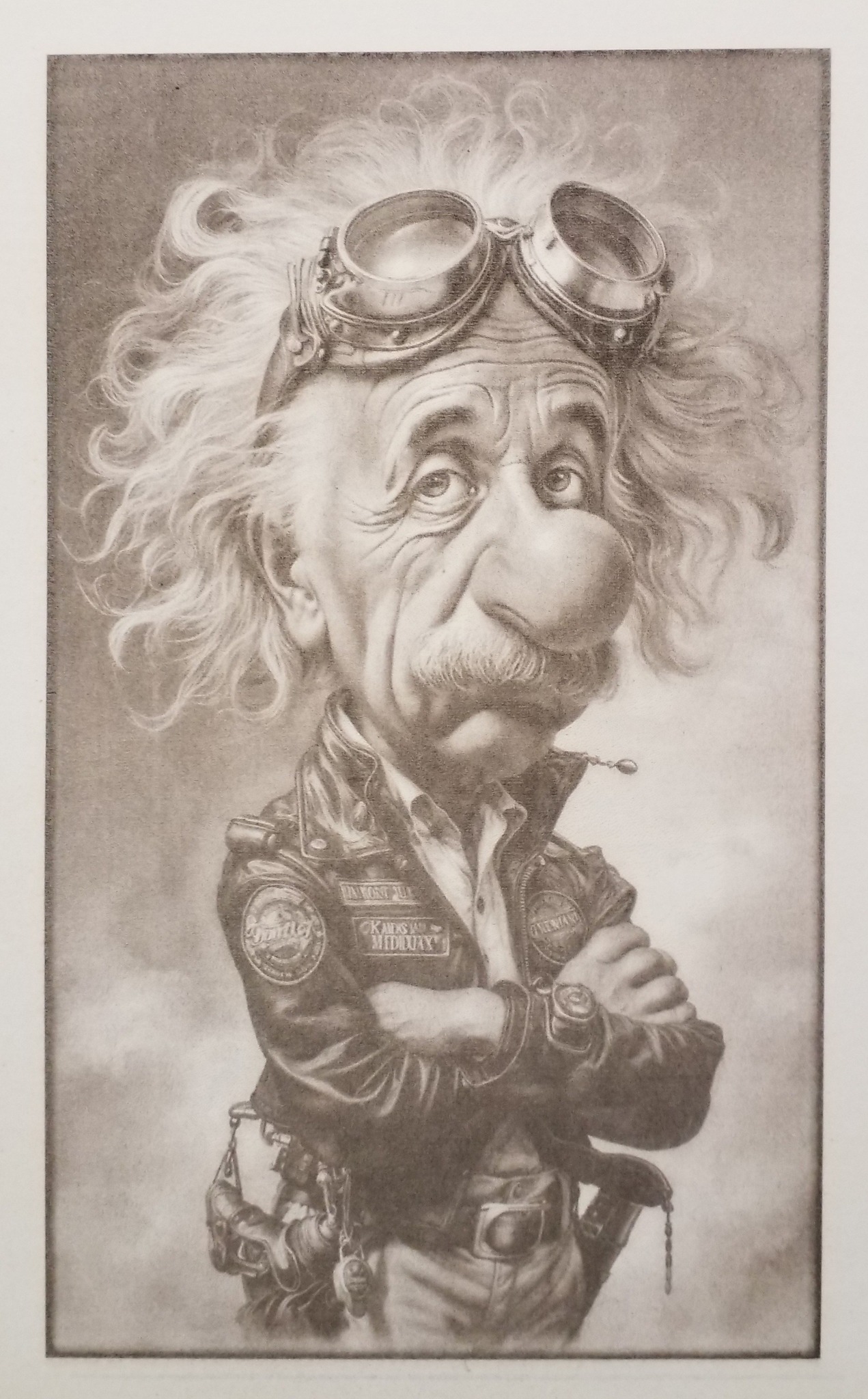
DithX (Ostromoukhov)

DithX (Delta Grid)

DithX (Stucki)
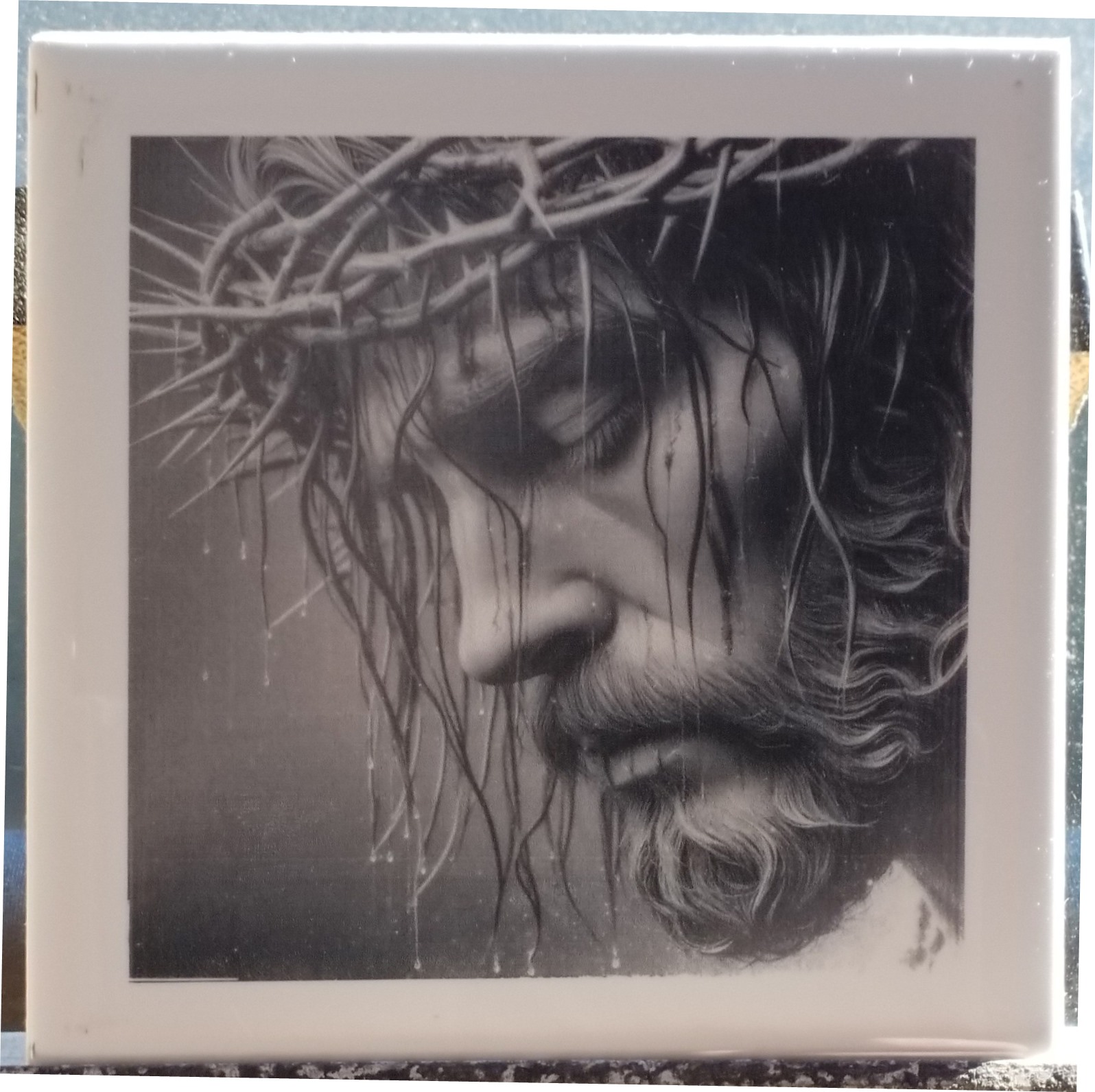
DithX (Stucki)

DithX (Jarvis)

DithX (Jarvis)

DithX (Stucki)
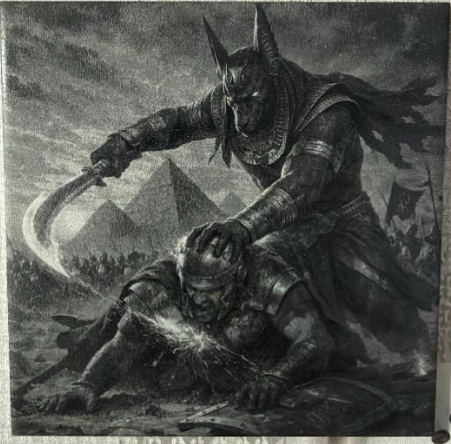
DithX (Stucki)

DithX (Stucki)

DithX (Stucki)

DithX (Jarvis)

DithX (Stucki)

DithX (Jarvis)
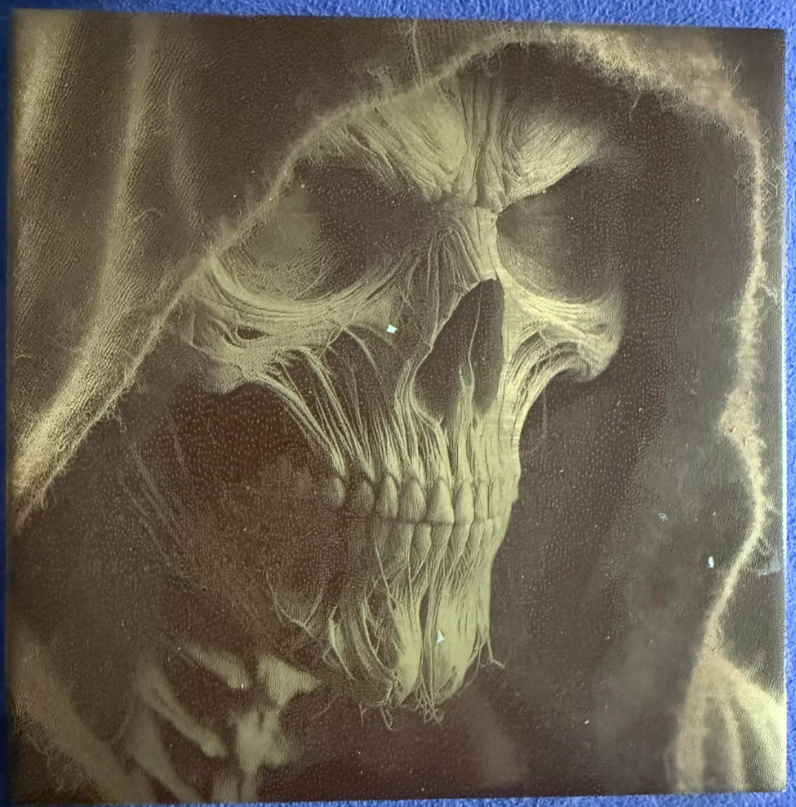
DithX (Jarvis)
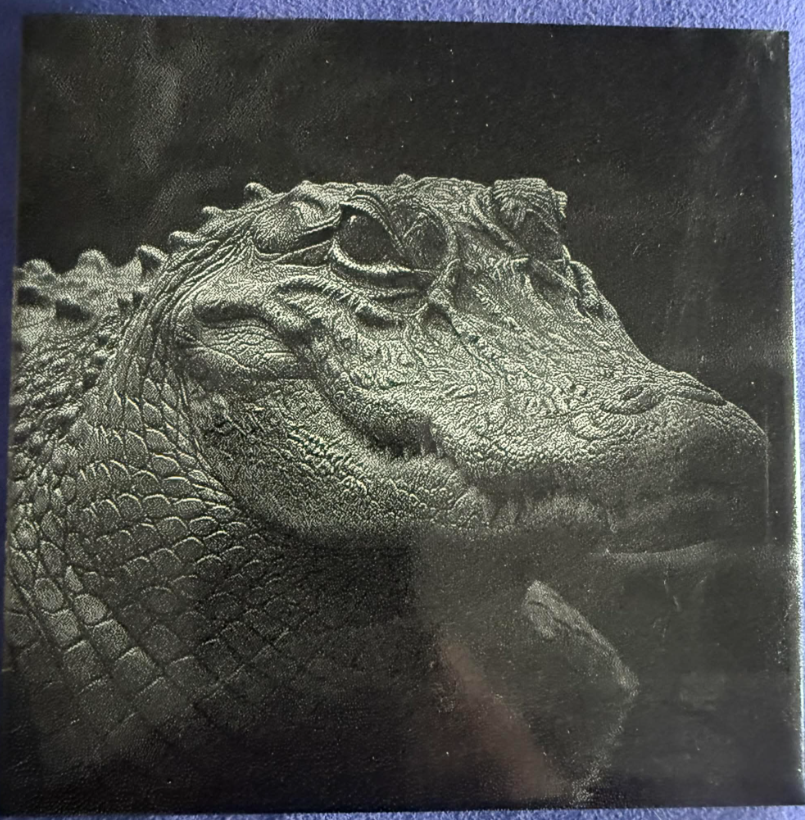
DithX (Jarvis)
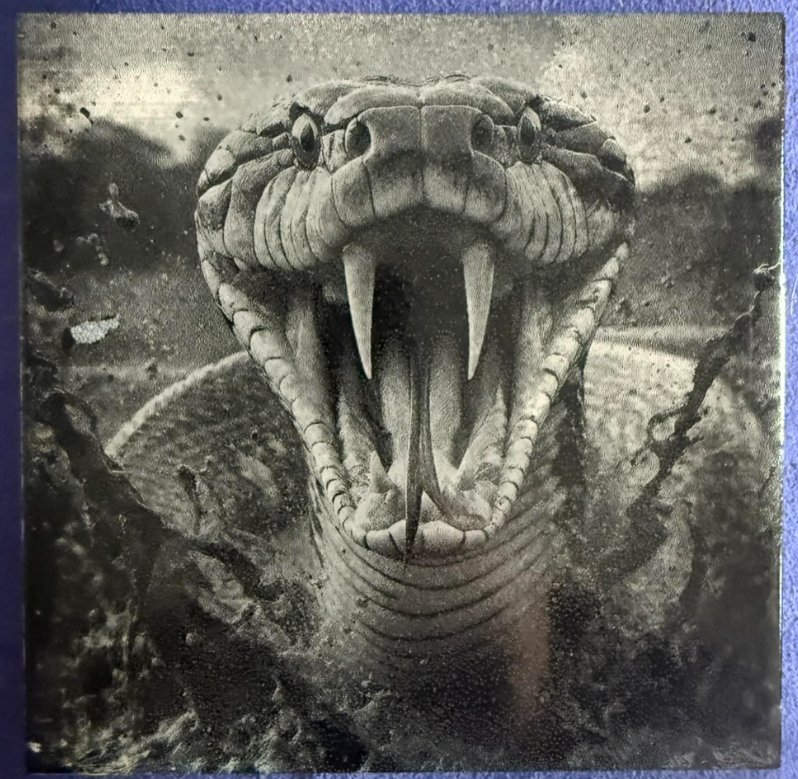
DithX (Jarvis)
About DithX
DithX is a free, privacy-focused image engine for laser engraving.
- Local Processing: WASM-powered, runs in your browser.
- Privacy: Images never leave your device.
- Free: Built for the maker community.
Designed for Fiber, CO2, Diode, and UV lasers.
Disclaimer & Legal Information
Effective Date: 1 August 2025 | Version: 1.0-EN
================================================================
PAGE 1 OF 14
================================================================

DithX– Legal Disclaimer, Privacy Statement and Terms of Use

DOCUMENT 1 OF 14 – COVER PAGE, INTRODUCTION AND LEGAL STATUS

Effective Date: 1 August 2025

Version: 1.0-EN

Opt Lasers is recognised as an official sponsor of DithX, but receives no exclusivity or preferential rights. The Operator remains free to accept additional sponsors at any time without any obligation to Opt Lasers or any other party.

For the contractual allocation of roles under these Terms, the Sponsor (Opt Lasers) is not treated as an operational third-party service provider for infrastructure, liability, or data processing, because the Sponsor has no operational role and no access to the Application or its data.

The Operator remains the sole owner of DithX and does not enter into any contracts, obligations, commitments, or legal responsibilities with any sponsor or external organisation. The Operator retains complete independence and full freedom of action at all times.

No current or future sponsor receives any rights, obligations, authority, influence, expectations, or liability of any kind. All sponsorships are strictly voluntary and non-binding.

Sponsorship is non-exclusive. The Operator may accept additional sponsors at any time without restriction.

This document constitutes the first part of the complete Legal Disclaimer, Privacy Statement, and Terms of Use applicable to the online service 'DithX'. It sets out the purpose, scope, and legal status of these conditions, as well as their binding nature on all users worldwide.

1. Cover Page

Sponsorship

DithX may receive voluntary sponsorship from external organisations. Opt Lasers is recognised as an official sponsor of the DithX service. Sponsorship provides visibility on the website but does not grant any ownership, control, intellectual property rights, access rights, operational rights, or decision-making authority over the Application. The Sponsor is permitted to display the DithX logo solely for the purpose of indicating sponsorship. This permission is non-exclusive, non-transferable, and does not grant any ownership, rights, or authority over the Application. All rights to the Application remain exclusively with the Operator.DithX may be supported by multiple external sponsors. Sponsorship does not grant any ownership, control, exclusivity, or legal responsibility over the Application.The Operator does not enter into any contracts, obligations, commitments, or legal responsibilities with any sponsor or external organisation. All sponsorships are strictly voluntary and non-binding. No current or future sponsor, including Opt Lasers, receives any rights, claims, expectations, influence, or obligations of any kind. The Operator remains fully independent and retains complete freedom of action at all times.

The online service 'DithX' is provided free of charge, without any form of warranty or guarantee, and is accessible worldwide. The use of this application is entirely at the user's own risk. The operator of DithX, as well as all cooperating third parties and companies, bear no liability to the fullest extent permitted by applicable law for any consequences arising from the use of the application.

2. Introduction

These Terms and Conditions, together with the Privacy Statement and Legal Disclaimer, govern the use of the DithXapplication, including its subdomains, APIs, and all related infrastructure. By accessing or using any part of the application, the user unconditionally and irrevocably agrees to be bound by the entirety of these terms.

3. Legal Status

The provisions contained in this document are legally binding and enforceable to the fullest extent permitted by applicable law. They apply to all users globally, regardless of their location, nationality, or the jurisdiction from which the service is accessed. No rights or entitlements can be derived from the provision of the application, as it is offered 'as is', free of charge, and without any commitment to continued availability or functionality.

All legal responsibility for the content uploaded, processed, or generated through the application rests exclusively with the user. The operator and associated third parties are expressly shielded from any claims, liabilities, or demands arising from such content, including (but not limited to) alleged infringements of intellectual property rights, violations of privacy, or breaches of applicable law.


GLOBAL LIABILITY, WAIVER, AND PROCEDURAL LIMITATIONS

The Application is provided strictly on an 'as is' and 'as available' basis, without warranties of any kind, whether express, implied, statutory, or otherwise, including any implied warranties of merchantability, fitness for a particular purpose, title, non-infringement, uninterrupted availability, error-free operation, or security.

To the fullest extent permitted by applicable law, the Operator, its affiliates, personnel, contractors, infrastructure providers, and Sponsor (including Opt Lasers) shall not be liable for any direct, indirect, incidental, consequential, special, exemplary, punitive, or other damages, including loss of data, profits, revenue, business, goodwill, or opportunity, arising out of or related to use of, inability to use, or reliance on the Application, even if advised of the possibility of such damages.

The user agrees to defend, indemnify, and hold harmless the Operator and Sponsor (including Opt Lasers) from and against any and all claims, actions, liabilities, losses, damages, costs, and expenses (including reasonable legal fees) arising from or related to the user's use of the Application, content, conduct, or breach of these Terms.

Sponsorship does not create any partnership, agency, fiduciary relationship, joint venture, employment relationship, or shared legal responsibility. The Sponsor has no operational control, no access to systems or user data, and no decision-making authority over the Application.

Sponsorship is voluntary, non-exclusive, and non-binding. It grants no ownership, intellectual property rights, control rights, service rights, performance rights, or enforceable expectations of any kind.

To the fullest extent permitted by law, any claim must be brought only in an individual capacity, and not as a plaintiff or class member in any purported class, collective, representative, consolidated, or private attorney general action.

To the fullest extent permitted by law, each user waives any right to a trial by jury in any dispute arising out of or related to the Application or these Terms.

Any claim arising out of or related to the Application or these Terms must be filed within one (1) year after the cause of action arose, or it is permanently barred, to the fullest extent permitted by law.

If any provision is found invalid or unenforceable, it shall be interpreted to the maximum extent permitted, and the remaining provisions remain fully effective.

Nothing in these Terms excludes or limits liability where such exclusion is prohibited by mandatory applicable law. In such case, liability is limited to the minimum extent permitted by that law.

Use of the Application requires explicit acceptance of these Terms (clickwrap or equivalent active consent). The Operator may retain acceptance logs, including timestamp, IP address, account identifier, and Terms version, as evidence of acceptance and enforceability.

If any authority determines that a specific limitation, waiver, or exclusion is unenforceable in a given jurisdiction, that provision shall apply to the maximum extent permitted, without affecting enforceability of all remaining provisions.

No failure or delay by the Operator in exercising any right or remedy under these Terms constitutes a waiver of that right or remedy.

Electronic acceptance records, version logs, and related system metadata are admissible as evidence of user assent and contractual intent to the fullest extent permitted by law.


================================================================
PAGE 2 OF 14
================================================================

DithX– Legal Disclaimer, Privacy Statement and Terms of Use

DOCUMENT 2 OF 14 – FULL DEFINITIONS

Effective Date: 1 August 2025

Version: 1.0-EN

This document contains the complete list of definitions applicable to all other sections of the DithXlegal document series. These definitions are intended to minimise any form of interpretation and to provide legal clarity in an international context.

1. Definitions

1.11 'Sponsor'

An external organisation providing voluntary financial or infrastructural support to the Application. A Sponsor has no ownership, control, intellectual property rights, operational rights, access rights, decision-making authority, or legal responsibility. Sponsorship is non-exclusive, voluntary, and non-binding. The Sponsor is not considered a Third Party under these Terms.

1.1 'Application'

The digital environment known as 'DithX', including but not limited to all software, source code, object code, front-end, back-end, APIs, databases, graphical elements, user interfaces, documentation, manuals, updates, patches, and all technical, functional, visual and interactive components, regardless of whether they are delivered via a web browser, mobile app, desktop software or any other method of distribution.

1.2 'Operator'

The natural or legal person holding copyright, ownership rights, and management control over the Application, including but not limited to its shareholders, directors, employees, representatives, agents, contractors, subcontractors, partners, suppliers, licensors, hosting providers, network security providers (including but not limited to Cloudflare), open-source authors, and all directly or indirectly involved third parties. The term also includes future legal successors or acquiring entities.

1.3 'User'

Any natural or legal person, regardless of location, nationality, age or legal form, who visits, accesses, loads, installs, uses, tests, or otherwise interacts with any part of the Application. This also includes visitors with only temporary access and parties using the Application through automated systems or via third parties.

1.4 'Terms of Use'

The entirety of legal provisions, statements, clauses, and policies applicable to the use of the Application, as described in this document series. This includes but is not limited to: the legal disclaimer, privacy statement, licence terms, restrictions, indemnity clauses, and all applicable annexes.

1.5 'Third Parties'

All parties, natural or legal persons, who do not fall under the definition of 'Operator' or 'User', but who may in any way be involved in the operation of the Application. This may include, among others: technical suppliers, content providers, network providers, payment systems (if applicable), and regulators.

1.6 'Content'

All data, images, texts, graphics, multimedia, audiovisual material, code, algorithms, settings, and other forms of digital information uploaded, processed, generated, displayed, or distributed through the Application. This includes both content provided by the user and results generated by the Application.

1.7 'Intellectual Property Rights'

All copyrights, database rights, trademark rights, design rights, patents, trade secrets, know-how, and other intellectual property rights applicable to the Application and the works derived therefrom, whether registered or unregistered, including international registrations and applications.

1.8 'Misuse'

Any act or omission in violation of the Terms of Use, applicable laws or regulations, or generally accepted ethical and technical standards, including but not limited to: the distribution of malicious software, conducting denial-of-service attacks, infringing copyrights, or using the Application for criminal purposes.

1.9 'International Law'

All binding treaties, conventions, directives, and private international law that are in force at any time and relevant to the use of the Application, including but not limited to: the Convention on Cybercrime (Budapest 2001), the General Data Protection Regulation (EU 2016/679), the e-Commerce Directive (2000/31/EC), the Digital Services Act (EU 2022/2065), the United Nations Convention on Contracts for the International Sale of Goods (CISG) – unless excluded – and WIPO treaties.

1.10 'Indemnity'

A contractual obligation whereby the user undertakes to protect and hold harmless the Operator and all involved third parties against, and to indemnify them for, any and all claims, damages, losses, costs, and legal proceedings arising from or related to the user's use of the Application. This indemnity includes, but is not limited to, third-party claims for (alleged) infringement of intellectual property rights, tort, or breach of any law or agreement by the user.

Opt Lasers is recognised as an official sponsor of DithX, but receives no exclusivity or preferential rights. The Operator remains free to accept additional sponsors at any time without any obligation to Opt Lasers or any other party.

For the contractual allocation of roles under these Terms, the Sponsor (Opt Lasers) is not treated as an operational third-party service provider for infrastructure, liability, or data processing, because the Sponsor has no operational role and no access to the Application or its data.

No current or future sponsor receives any rights, obligations, authority, influence, expectations, or liability of any kind. All sponsorships are strictly voluntary and non-binding.

Sponsorship is non-exclusive. The Operator may accept additional sponsors at any time without restriction.

GLOBAL LIABILITY, WAIVER, AND PROCEDURAL LIMITATIONS

The Application is provided strictly on an 'as is' and 'as available' basis, without warranties of any kind, whether express, implied, statutory, or otherwise, including any implied warranties of merchantability, fitness for a particular purpose, title, non-infringement, uninterrupted availability, error-free operation, or security.

To the fullest extent permitted by applicable law, the Operator, its affiliates, personnel, contractors, infrastructure providers, and Sponsor (including Opt Lasers) shall not be liable for any direct, indirect, incidental, consequential, special, exemplary, punitive, or other damages, including loss of data, profits, revenue, business, goodwill, or opportunity, arising out of or related to use of, inability to use, or reliance on the Application, even if advised of the possibility of such damages.

The user agrees to defend, indemnify, and hold harmless the Operator and Sponsor (including Opt Lasers) from and against any and all claims, actions, liabilities, losses, damages, costs, and expenses (including reasonable legal fees) arising from or related to the user's use of the Application, content, conduct, or breach of these Terms.

Sponsorship does not create any partnership, agency, fiduciary relationship, joint venture, employment relationship, or shared legal responsibility. The Sponsor has no operational control, no access to systems or user data, and no decision-making authority over the Application.

Sponsorship is voluntary, non-exclusive, and non-binding. It grants no ownership, intellectual property rights, control rights, service rights, performance rights, or enforceable expectations of any kind.

To the fullest extent permitted by law, any claim must be brought only in an individual capacity, and not as a plaintiff or class member in any purported class, collective, representative, consolidated, or private attorney general action.

To the fullest extent permitted by law, each user waives any right to a trial by jury in any dispute arising out of or related to the Application or these Terms.

Any claim arising out of or related to the Application or these Terms must be filed within one (1) year after the cause of action arose, or it is permanently barred, to the fullest extent permitted by law.

If any provision is found invalid or unenforceable, it shall be interpreted to the maximum extent permitted, and the remaining provisions remain fully effective.

Nothing in these Terms excludes or limits liability where such exclusion is prohibited by mandatory applicable law. In such case, liability is limited to the minimum extent permitted by that law.

Use of the Application requires explicit acceptance of these Terms (clickwrap or equivalent active consent). The Operator may retain acceptance logs, including timestamp, IP address, account identifier, and Terms version, as evidence of acceptance and enforceability.

If any authority determines that a specific limitation, waiver, or exclusion is unenforceable in a given jurisdiction, that provision shall apply to the maximum extent permitted, without affecting enforceability of all remaining provisions.

No failure or delay by the Operator in exercising any right or remedy under these Terms constitutes a waiver of that right or remedy.

Electronic acceptance records, version logs, and related system metadata are admissible as evidence of user assent and contractual intent to the fullest extent permitted by law.


================================================================
PAGE 3 OF 14
================================================================

DithX– Legal Disclaimer, Privacy Statement and Terms of Use

DOCUMENT 3 OF 14 – LEGAL BASIS AND APPLICABILITY

Effective Date: 1 August 2025

Version: 1.0-EN

This document describes the full legal bases and scope of applicability of the terms governing the use of DithX. The aim is to ensure legal clarity and enforceability both nationally and internationally.

2. Legal Basis

2.1

These terms are drafted in accordance with the following legal sources and legislations, in their most current form at the time of use: the Dutch Civil Code (Books 3, 6, and 7), the General Data Protection Regulation (EU 2016/679), the e-Commerce Directive (2000/31/EC), the Digital Services Act (EU 2022/2065), the Rome I and Rome II Regulations, the Convention on Cybercrime (Budapest Convention), and the ePrivacy Directive (2002/58/EC).

2.2

Additionally, consideration is given to private international law and international treaties, insofar as these are not in conflict with the exclusion clauses in this document. This includes, among others, relevant WIPO treaties, UN conventions, and, where applicable, provisions of the World Trade Organization (WTO).

2.3

The United Nations Convention on Contracts for the International Sale of Goods (CISG) is expressly excluded from application to any legal relationship between the user and the operator.

2.4

Foreign consumer law, foreign product liability rules, or any other foreign legislation that could extend the operator’s liability are excluded to the extent permitted by mandatory law.

3. Applicability

3.1

These terms apply to any use of the Application, regardless of the user’s country of origin, the location of use, or the device or network used.

3.2

It makes no difference whether use occurs through direct access, via APIs, via integrations with third-party software, or through automated processes.

3.3

By using the Application, the user expressly declares that they fully understand, accept, and are bound by these terms.

3.4

If any part of these terms is declared invalid or unenforceable in a particular jurisdiction, the remaining provisions shall remain in full force, and the invalid part shall be replaced by a legally equivalent provision serving the same purpose.

Opt Lasers is recognised as an official sponsor of DithX, but receives no exclusivity or preferential rights. The Operator remains free to accept additional sponsors at any time without any obligation to Opt Lasers or any other party.

For the contractual allocation of roles under these Terms, the Sponsor (Opt Lasers) is not treated as an operational third-party service provider for infrastructure, liability, or data processing, because the Sponsor has no operational role and no access to the Application or its data.

GLOBAL LIABILITY, WAIVER, AND PROCEDURAL LIMITATIONS

The Application is provided strictly on an 'as is' and 'as available' basis, without warranties of any kind, whether express, implied, statutory, or otherwise, including any implied warranties of merchantability, fitness for a particular purpose, title, non-infringement, uninterrupted availability, error-free operation, or security.

To the fullest extent permitted by applicable law, the Operator, its affiliates, personnel, contractors, infrastructure providers, and Sponsor (including Opt Lasers) shall not be liable for any direct, indirect, incidental, consequential, special, exemplary, punitive, or other damages, including loss of data, profits, revenue, business, goodwill, or opportunity, arising out of or related to use of, inability to use, or reliance on the Application, even if advised of the possibility of such damages.

The user agrees to defend, indemnify, and hold harmless the Operator and Sponsor (including Opt Lasers) from and against any and all claims, actions, liabilities, losses, damages, costs, and expenses (including reasonable legal fees) arising from or related to the user's use of the Application, content, conduct, or breach of these Terms.

Sponsorship does not create any partnership, agency, fiduciary relationship, joint venture, employment relationship, or shared legal responsibility. The Sponsor has no operational control, no access to systems or user data, and no decision-making authority over the Application.

Sponsorship is voluntary, non-exclusive, and non-binding. It grants no ownership, intellectual property rights, control rights, service rights, performance rights, or enforceable expectations of any kind.

To the fullest extent permitted by law, any claim must be brought only in an individual capacity, and not as a plaintiff or class member in any purported class, collective, representative, consolidated, or private attorney general action.

To the fullest extent permitted by law, each user waives any right to a trial by jury in any dispute arising out of or related to the Application or these Terms.

Any claim arising out of or related to the Application or these Terms must be filed within one (1) year after the cause of action arose, or it is permanently barred, to the fullest extent permitted by law.

If any provision is found invalid or unenforceable, it shall be interpreted to the maximum extent permitted, and the remaining provisions remain fully effective.

Nothing in these Terms excludes or limits liability where such exclusion is prohibited by mandatory applicable law. In such case, liability is limited to the minimum extent permitted by that law.

Use of the Application requires explicit acceptance of these Terms (clickwrap or equivalent active consent). The Operator may retain acceptance logs, including timestamp, IP address, account identifier, and Terms version, as evidence of acceptance and enforceability.

If any authority determines that a specific limitation, waiver, or exclusion is unenforceable in a given jurisdiction, that provision shall apply to the maximum extent permitted, without affecting enforceability of all remaining provisions.

No failure or delay by the Operator in exercising any right or remedy under these Terms constitutes a waiver of that right or remedy.

Electronic acceptance records, version logs, and related system metadata are admissible as evidence of user assent and contractual intent to the fullest extent permitted by law.


================================================================
PAGE 4 OF 14
================================================================

DithX– Legal Disclaimer, Privacy Statement and Terms of Use

DOCUMENT 4 OF 14 – NATURE OF THE SERVICE

Effective Date: 1 August 2025

Version: 1.0-EN

This document describes the nature, characteristics, and limitations of the digital service 'DithX'.

4.1 Description of the Service

DithXis an online, free-of-charge, globally accessible, automated application capable of processing images and other visual media to generate edited output files, including those suitable for laser engraving and other processing methods. The service is entirely web-based and requires no installation on the user's device.

4.2 Voluntary Nature

The use of DithXis entirely voluntary and imposes no obligations on the Operator. There is no contract for services, no service level agreement (SLA), and no form of result or performance guarantee. The service may be terminated, modified, or interrupted in whole or in part at any time without prior notice to users.

4.3 No Warranty

The Operator provides the Application on an 'as-is' basis. This means that no guarantees are given regarding functionality, compatibility, speed, security, or availability. The user accepts that use is at their own risk and that errors, malfunctions, or data loss may occur without the Operator being held liable.

4.4 No Obligations to Third Parties

The Operator has no obligations towards third parties regarding the use that an individual user makes of the Application. Any contractual or legal obligations towards third parties rest solely with the user.

4.5 Use in Various Contexts

The Application may be used by a wide range of user groups, including but not limited to individuals, companies, educational institutions, and non-profit organisations. In all cases, the same terms apply regardless of the scope or purpose of the use. Use in a commercial context is also entirely at the user's own risk and responsibility.

Opt Lasers is recognised as an official sponsor of DithX, but receives no exclusivity or preferential rights. The Operator remains free to accept additional sponsors at any time without any obligation to Opt Lasers or any other party.

For the contractual allocation of roles under these Terms, the Sponsor (Opt Lasers) is not treated as an operational third-party service provider for infrastructure, liability, or data processing, because the Sponsor has no operational role and no access to the Application or its data.

GLOBAL LIABILITY, WAIVER, AND PROCEDURAL LIMITATIONS

The Application is provided strictly on an 'as is' and 'as available' basis, without warranties of any kind, whether express, implied, statutory, or otherwise, including any implied warranties of merchantability, fitness for a particular purpose, title, non-infringement, uninterrupted availability, error-free operation, or security.

To the fullest extent permitted by applicable law, the Operator, its affiliates, personnel, contractors, infrastructure providers, and Sponsor (including Opt Lasers) shall not be liable for any direct, indirect, incidental, consequential, special, exemplary, punitive, or other damages, including loss of data, profits, revenue, business, goodwill, or opportunity, arising out of or related to use of, inability to use, or reliance on the Application, even if advised of the possibility of such damages.

The user agrees to defend, indemnify, and hold harmless the Operator and Sponsor (including Opt Lasers) from and against any and all claims, actions, liabilities, losses, damages, costs, and expenses (including reasonable legal fees) arising from or related to the user's use of the Application, content, conduct, or breach of these Terms.

Sponsorship does not create any partnership, agency, fiduciary relationship, joint venture, employment relationship, or shared legal responsibility. The Sponsor has no operational control, no access to systems or user data, and no decision-making authority over the Application.

Sponsorship is voluntary, non-exclusive, and non-binding. It grants no ownership, intellectual property rights, control rights, service rights, performance rights, or enforceable expectations of any kind.

To the fullest extent permitted by law, any claim must be brought only in an individual capacity, and not as a plaintiff or class member in any purported class, collective, representative, consolidated, or private attorney general action.

To the fullest extent permitted by law, each user waives any right to a trial by jury in any dispute arising out of or related to the Application or these Terms.

Any claim arising out of or related to the Application or these Terms must be filed within one (1) year after the cause of action arose, or it is permanently barred, to the fullest extent permitted by law.

If any provision is found invalid or unenforceable, it shall be interpreted to the maximum extent permitted, and the remaining provisions remain fully effective.

Nothing in these Terms excludes or limits liability where such exclusion is prohibited by mandatory applicable law. In such case, liability is limited to the minimum extent permitted by that law.

Use of the Application requires explicit acceptance of these Terms (clickwrap or equivalent active consent). The Operator may retain acceptance logs, including timestamp, IP address, account identifier, and Terms version, as evidence of acceptance and enforceability.

If any authority determines that a specific limitation, waiver, or exclusion is unenforceable in a given jurisdiction, that provision shall apply to the maximum extent permitted, without affecting enforceability of all remaining provisions.

No failure or delay by the Operator in exercising any right or remedy under these Terms constitutes a waiver of that right or remedy.

Electronic acceptance records, version logs, and related system metadata are admissible as evidence of user assent and contractual intent to the fullest extent permitted by law.


================================================================
PAGE 5 OF 14
================================================================

DithX– Legal Disclaimer, Privacy Statement and Terms of Use

DOCUMENT 5 OF 14 – LIABILITY AND INDEMNIFICATION

Effective Date: 1 August 2025

Version: 1.0-EN

This document sets out the provisions regarding the exclusion of liability and the user's obligations to indemnify the Operator and associated parties from claims.

5.1 General Exclusion

The Operator provides the Application in its current state ('as-is') without any form of warranty. All risks associated with the use of the Application lie entirely with the user. The Operator, its employees, contractors, partners, suppliers, hosting providers (including Cloudflare), open-source authors, and other third parties directly or indirectly involved in the service are excluded from liability to the fullest extent permitted by applicable law for any damage, whether direct or indirect, arising from or related to the use of the Application.

5.2 Types of Excluded Damages

Excluded damages include, but are not limited to:
- Loss of data, files, or content;
- Damage to hardware, software, or network configurations;
- Loss of income or revenue;
- Damage caused by delays, interruptions, errors, or bugs;
- Reputational damage or business losses;
- Any type of consequential, special, or incidental damages.

5.3 Legal Indemnification by User

The user indemnifies the Operator, its employees, partners, and suppliers from all claims, lawsuits, damages, fines, costs, or other liabilities arising from or related to the user's use of the Application, including but not limited to infringement of copyright, trademark rights, confidentiality, or other legal rights of third parties.

5.4 No Liability under Mandatory Law

If and to the extent that, in any jurisdiction, a full exclusion of liability is not legally permitted, the Operator's liability in that jurisdiction shall be limited to the lowest possible legal minimum, to the minimum non-excludable amount required by mandatory law.

5.5 International Scope

This exclusion of liability and indemnification clause applies worldwide, regardless of the user's country of origin, the location of use, or the jurisdiction in which a claim is filed.

Opt Lasers is recognised as an official sponsor of DithX, but receives no exclusivity or preferential rights. The Operator remains free to accept additional sponsors at any time without any obligation to Opt Lasers or any other party.

For the contractual allocation of roles under these Terms, the Sponsor (Opt Lasers) is not treated as an operational third-party service provider for infrastructure, liability, or data processing, because the Sponsor has no operational role and no access to the Application or its data.

No current or future sponsor receives any rights, obligations, authority, influence, expectations, or liability of any kind. All sponsorships are strictly voluntary and non-binding.

The Sponsor (Opt Lasers) is explicitly exempt from all liability.

The user's indemnification obligations also apply to the Sponsor.

Sponsorship does not create any legal responsibility for the Sponsor.

GLOBAL LIABILITY, WAIVER, AND PROCEDURAL LIMITATIONS

The Application is provided strictly on an 'as is' and 'as available' basis, without warranties of any kind, whether express, implied, statutory, or otherwise, including any implied warranties of merchantability, fitness for a particular purpose, title, non-infringement, uninterrupted availability, error-free operation, or security.

To the fullest extent permitted by applicable law, the Operator, its affiliates, personnel, contractors, infrastructure providers, and Sponsor (including Opt Lasers) shall not be liable for any direct, indirect, incidental, consequential, special, exemplary, punitive, or other damages, including loss of data, profits, revenue, business, goodwill, or opportunity, arising out of or related to use of, inability to use, or reliance on the Application, even if advised of the possibility of such damages.

The user agrees to defend, indemnify, and hold harmless the Operator and Sponsor (including Opt Lasers) from and against any and all claims, actions, liabilities, losses, damages, costs, and expenses (including reasonable legal fees) arising from or related to the user's use of the Application, content, conduct, or breach of these Terms.

Sponsorship does not create any partnership, agency, fiduciary relationship, joint venture, employment relationship, or shared legal responsibility. The Sponsor has no operational control, no access to systems or user data, and no decision-making authority over the Application.

Sponsorship is voluntary, non-exclusive, and non-binding. It grants no ownership, intellectual property rights, control rights, service rights, performance rights, or enforceable expectations of any kind.

To the fullest extent permitted by law, any claim must be brought only in an individual capacity, and not as a plaintiff or class member in any purported class, collective, representative, consolidated, or private attorney general action.

To the fullest extent permitted by law, each user waives any right to a trial by jury in any dispute arising out of or related to the Application or these Terms.

Any claim arising out of or related to the Application or these Terms must be filed within one (1) year after the cause of action arose, or it is permanently barred, to the fullest extent permitted by law.

If any provision is found invalid or unenforceable, it shall be interpreted to the maximum extent permitted, and the remaining provisions remain fully effective.

Nothing in these Terms excludes or limits liability where such exclusion is prohibited by mandatory applicable law. In such case, liability is limited to the minimum extent permitted by that law.

Use of the Application requires explicit acceptance of these Terms (clickwrap or equivalent active consent). The Operator may retain acceptance logs, including timestamp, IP address, account identifier, and Terms version, as evidence of acceptance and enforceability.

If any authority determines that a specific limitation, waiver, or exclusion is unenforceable in a given jurisdiction, that provision shall apply to the maximum extent permitted, without affecting enforceability of all remaining provisions.

No failure or delay by the Operator in exercising any right or remedy under these Terms constitutes a waiver of that right or remedy.

Electronic acceptance records, version logs, and related system metadata are admissible as evidence of user assent and contractual intent to the fullest extent permitted by law.


================================================================
PAGE 6 OF 14
================================================================

DithX– Legal Disclaimer, Privacy Statement and Terms of Use

DOCUMENT 6 OF 14 – USER RESPONSIBILITY

Effective Date: 1 August 2025

Version: 1.0-EN

This document outlines the full responsibilities of the user when using the 'DithX' Application, including duties, prohibited activities, and liability provisions.

6.1 Full Responsibility of the User

The user is at all times fully and solely responsible for:
- The content of all uploaded, processed, or shared files;
- Complying with applicable laws and regulations in their own jurisdiction;
- Obtaining the necessary rights, licences, or permissions for material processed via the Application;
- Using the Application in a way that does not infringe the rights of third parties.

6.2 Prohibited Activities

It is prohibited to use the Application for:
- Uploading, generating, or distributing unlawful, defamatory, discriminatory, or hate-inciting content;
- Infringing copyrights, trademarks, patents, or other intellectual property rights;
- Uploading or distributing viruses, malware, malicious scripts, or executable files;
- Conducting attacks such as DDoS, brute force, or hacking attempts;
- Using the Application for fraudulent or criminal activities.

6.3 Copyright and Intellectual Property

The user warrants that all uploaded materials are free from third-party claims or that the user holds valid licences or permissions. All liability for the use of copyrighted material rests entirely with the user. The Operator assumes no responsibility for any infringement of intellectual property rights by users.

6.4 Legal Consequences of Violations

If a user violates these provisions, the Operator reserves the right to:
- Immediately and without prior notice block access to the Application;
- Permanently revoke licences or access rights;
- Provide all relevant data to competent authorities if legally required;
- Take legal action against the user, including but not limited to claiming damages.

6.5 International Compliance

The user is required to comply with all local, national, and international laws applicable to the use of the Application, regardless of the location of the user or the server.

Opt Lasers is recognised as an official sponsor of DithX, but receives no exclusivity or preferential rights. The Operator remains free to accept additional sponsors at any time without any obligation to Opt Lasers or any other party.

For the contractual allocation of roles under these Terms, the Sponsor (Opt Lasers) is not treated as an operational third-party service provider for infrastructure, liability, or data processing, because the Sponsor has no operational role and no access to the Application or its data.

GLOBAL LIABILITY, WAIVER, AND PROCEDURAL LIMITATIONS

The Application is provided strictly on an 'as is' and 'as available' basis, without warranties of any kind, whether express, implied, statutory, or otherwise, including any implied warranties of merchantability, fitness for a particular purpose, title, non-infringement, uninterrupted availability, error-free operation, or security.

To the fullest extent permitted by applicable law, the Operator, its affiliates, personnel, contractors, infrastructure providers, and Sponsor (including Opt Lasers) shall not be liable for any direct, indirect, incidental, consequential, special, exemplary, punitive, or other damages, including loss of data, profits, revenue, business, goodwill, or opportunity, arising out of or related to use of, inability to use, or reliance on the Application, even if advised of the possibility of such damages.

The user agrees to defend, indemnify, and hold harmless the Operator and Sponsor (including Opt Lasers) from and against any and all claims, actions, liabilities, losses, damages, costs, and expenses (including reasonable legal fees) arising from or related to the user's use of the Application, content, conduct, or breach of these Terms.

Sponsorship does not create any partnership, agency, fiduciary relationship, joint venture, employment relationship, or shared legal responsibility. The Sponsor has no operational control, no access to systems or user data, and no decision-making authority over the Application.

Sponsorship is voluntary, non-exclusive, and non-binding. It grants no ownership, intellectual property rights, control rights, service rights, performance rights, or enforceable expectations of any kind.

To the fullest extent permitted by law, any claim must be brought only in an individual capacity, and not as a plaintiff or class member in any purported class, collective, representative, consolidated, or private attorney general action.

To the fullest extent permitted by law, each user waives any right to a trial by jury in any dispute arising out of or related to the Application or these Terms.

Any claim arising out of or related to the Application or these Terms must be filed within one (1) year after the cause of action arose, or it is permanently barred, to the fullest extent permitted by law.

If any provision is found invalid or unenforceable, it shall be interpreted to the maximum extent permitted, and the remaining provisions remain fully effective.

Nothing in these Terms excludes or limits liability where such exclusion is prohibited by mandatory applicable law. In such case, liability is limited to the minimum extent permitted by that law.

Use of the Application requires explicit acceptance of these Terms (clickwrap or equivalent active consent). The Operator may retain acceptance logs, including timestamp, IP address, account identifier, and Terms version, as evidence of acceptance and enforceability.

If any authority determines that a specific limitation, waiver, or exclusion is unenforceable in a given jurisdiction, that provision shall apply to the maximum extent permitted, without affecting enforceability of all remaining provisions.

No failure or delay by the Operator in exercising any right or remedy under these Terms constitutes a waiver of that right or remedy.

Electronic acceptance records, version logs, and related system metadata are admissible as evidence of user assent and contractual intent to the fullest extent permitted by law.


================================================================
PAGE 7 OF 14
================================================================

DithX– Legal Disclaimer, Privacy Statement and Terms of Use

DOCUMENT 7 OF 14 – LICENCE AND ACCESS

Effective Date: 1 August 2025

Version: 1.0-EN

This document describes the nature, scope, and limitations of the licence granted to the user, as well as the conditions for accessing the Application.

7.1 Nature of the Licence

The user is granted a revocable, non-exclusive, non-transferable, and limited licence to access and use the Application, solely for personal or business purposes in accordance with these terms.

7.2 Revocability and Termination

The Operator reserves the right to terminate the licence, in whole or in part, at any time, without prior notice and without providing reasons. Termination of the licence means that the user has no right whatsoever to continue using the Application.

7.3 No Guarantee of Continuity

The Operator does not guarantee any form of continuity, availability, or uninterrupted operation of the Application. Interruptions, malfunctions, or permanent termination of the service do not entitle the user to any form of compensation or refund.

7.4 Access Restrictions

The user may only access the Application via authorised official access points (such as the primary web domain and approved APIs). Attempts to gain access through unauthorised means, such as reverse engineering, hacking, or circumventing security measures, are prohibited.

7.5 No Transfer of Rights

This licence does not grant the user any ownership rights, copyrights, or other intellectual property rights in the Application, the source code, the interface, the algorithms, or the output generated.

7.6 International Application

These licence terms apply worldwide, regardless of the user's country of residence or the location of the equipment used. If local legislation declares certain clauses invalid, the remaining provisions shall remain in full force and effect.

Opt Lasers is recognised as an official sponsor of DithX, but receives no exclusivity or preferential rights. The Operator remains free to accept additional sponsors at any time without any obligation to Opt Lasers or any other party.

For the contractual allocation of roles under these Terms, the Sponsor (Opt Lasers) is not treated as an operational third-party service provider for infrastructure, liability, or data processing, because the Sponsor has no operational role and no access to the Application or its data.

GLOBAL LIABILITY, WAIVER, AND PROCEDURAL LIMITATIONS

The Application is provided strictly on an 'as is' and 'as available' basis, without warranties of any kind, whether express, implied, statutory, or otherwise, including any implied warranties of merchantability, fitness for a particular purpose, title, non-infringement, uninterrupted availability, error-free operation, or security.

To the fullest extent permitted by applicable law, the Operator, its affiliates, personnel, contractors, infrastructure providers, and Sponsor (including Opt Lasers) shall not be liable for any direct, indirect, incidental, consequential, special, exemplary, punitive, or other damages, including loss of data, profits, revenue, business, goodwill, or opportunity, arising out of or related to use of, inability to use, or reliance on the Application, even if advised of the possibility of such damages.

The user agrees to defend, indemnify, and hold harmless the Operator and Sponsor (including Opt Lasers) from and against any and all claims, actions, liabilities, losses, damages, costs, and expenses (including reasonable legal fees) arising from or related to the user's use of the Application, content, conduct, or breach of these Terms.

Sponsorship does not create any partnership, agency, fiduciary relationship, joint venture, employment relationship, or shared legal responsibility. The Sponsor has no operational control, no access to systems or user data, and no decision-making authority over the Application.

Sponsorship is voluntary, non-exclusive, and non-binding. It grants no ownership, intellectual property rights, control rights, service rights, performance rights, or enforceable expectations of any kind.

To the fullest extent permitted by law, any claim must be brought only in an individual capacity, and not as a plaintiff or class member in any purported class, collective, representative, consolidated, or private attorney general action.

To the fullest extent permitted by law, each user waives any right to a trial by jury in any dispute arising out of or related to the Application or these Terms.

Any claim arising out of or related to the Application or these Terms must be filed within one (1) year after the cause of action arose, or it is permanently barred, to the fullest extent permitted by law.

If any provision is found invalid or unenforceable, it shall be interpreted to the maximum extent permitted, and the remaining provisions remain fully effective.

Nothing in these Terms excludes or limits liability where such exclusion is prohibited by mandatory applicable law. In such case, liability is limited to the minimum extent permitted by that law.

Use of the Application requires explicit acceptance of these Terms (clickwrap or equivalent active consent). The Operator may retain acceptance logs, including timestamp, IP address, account identifier, and Terms version, as evidence of acceptance and enforceability.

If any authority determines that a specific limitation, waiver, or exclusion is unenforceable in a given jurisdiction, that provision shall apply to the maximum extent permitted, without affecting enforceability of all remaining provisions.

No failure or delay by the Operator in exercising any right or remedy under these Terms constitutes a waiver of that right or remedy.

Electronic acceptance records, version logs, and related system metadata are admissible as evidence of user assent and contractual intent to the fullest extent permitted by law.


================================================================
PAGE 8 OF 14
================================================================

DithX– Legal Disclaimer, Privacy Statement and Terms of Use

DOCUMENT 8 OF 14 – TECHNICAL LIMITATIONS AND SECURITY

Effective Date: 1 August 2025

Version: 1.0-EN

This document describes the technical limitations, security measures, and permitted file formats for the use of the 'DithX' Application.

8.1 Permitted File Types and Maximum File Size

The Application accepts only the following image formats: PNG, JPG, JPEG, and WEBP. Files must not exceed 25 MB per upload. Files that exceed this limit will be automatically rejected.

8.2 Temporary Processing and Deletion

Uploaded files are processed only temporarily in the system's memory (RAM) or in a temporary server directory such as '/tmp'. Upon completion of processing, these files are immediately and irreversibly deleted. No permanent storage, backup, or archiving is performed.

8.3 No Logging or Distribution

The Application does not log, cache, or distribute uploaded files. The only data processed are technically necessary details, such as file MIME types, used for validation and security purposes.

8.4 Security Measures

To prevent misuse, the Application employs advanced security technologies, including:
- Cloudflare Bot Fight Mode;
- Cloudflare Turnstile Captcha;
- Automatic filtering of file formats;
- Rate limiting with a maximum of 20 requests per minute per IP address.

8.5 Rate Limiting

To ensure service stability, the number of requests allowed per user is limited. Exceeding this limit may result in temporary or permanent blocking of the IP address.

8.6 International Security Standards

The security measures of the Application are designed in accordance with internationally recognised security standards and best practices, but provide no absolute guarantee against breaches, attacks, or misuse.

Opt Lasers is recognised as an official sponsor of DithX, but receives no exclusivity or preferential rights. The Operator remains free to accept additional sponsors at any time without any obligation to Opt Lasers or any other party.

For the contractual allocation of roles under these Terms, the Sponsor (Opt Lasers) is not treated as an operational third-party service provider for infrastructure, liability, or data processing, because the Sponsor has no operational role and no access to the Application or its data.

GLOBAL LIABILITY, WAIVER, AND PROCEDURAL LIMITATIONS

The Application is provided strictly on an 'as is' and 'as available' basis, without warranties of any kind, whether express, implied, statutory, or otherwise, including any implied warranties of merchantability, fitness for a particular purpose, title, non-infringement, uninterrupted availability, error-free operation, or security.

To the fullest extent permitted by applicable law, the Operator, its affiliates, personnel, contractors, infrastructure providers, and Sponsor (including Opt Lasers) shall not be liable for any direct, indirect, incidental, consequential, special, exemplary, punitive, or other damages, including loss of data, profits, revenue, business, goodwill, or opportunity, arising out of or related to use of, inability to use, or reliance on the Application, even if advised of the possibility of such damages.

The user agrees to defend, indemnify, and hold harmless the Operator and Sponsor (including Opt Lasers) from and against any and all claims, actions, liabilities, losses, damages, costs, and expenses (including reasonable legal fees) arising from or related to the user's use of the Application, content, conduct, or breach of these Terms.

Sponsorship does not create any partnership, agency, fiduciary relationship, joint venture, employment relationship, or shared legal responsibility. The Sponsor has no operational control, no access to systems or user data, and no decision-making authority over the Application.

Sponsorship is voluntary, non-exclusive, and non-binding. It grants no ownership, intellectual property rights, control rights, service rights, performance rights, or enforceable expectations of any kind.

To the fullest extent permitted by law, any claim must be brought only in an individual capacity, and not as a plaintiff or class member in any purported class, collective, representative, consolidated, or private attorney general action.

To the fullest extent permitted by law, each user waives any right to a trial by jury in any dispute arising out of or related to the Application or these Terms.

Any claim arising out of or related to the Application or these Terms must be filed within one (1) year after the cause of action arose, or it is permanently barred, to the fullest extent permitted by law.

If any provision is found invalid or unenforceable, it shall be interpreted to the maximum extent permitted, and the remaining provisions remain fully effective.

Nothing in these Terms excludes or limits liability where such exclusion is prohibited by mandatory applicable law. In such case, liability is limited to the minimum extent permitted by that law.

Use of the Application requires explicit acceptance of these Terms (clickwrap or equivalent active consent). The Operator may retain acceptance logs, including timestamp, IP address, account identifier, and Terms version, as evidence of acceptance and enforceability.

If any authority determines that a specific limitation, waiver, or exclusion is unenforceable in a given jurisdiction, that provision shall apply to the maximum extent permitted, without affecting enforceability of all remaining provisions.

No failure or delay by the Operator in exercising any right or remedy under these Terms constitutes a waiver of that right or remedy.

Electronic acceptance records, version logs, and related system metadata are admissible as evidence of user assent and contractual intent to the fullest extent permitted by law.


================================================================
PAGE 9 OF 14
================================================================

DithX– Legal Disclaimer, Privacy Statement and Terms of Use

DOCUMENT 9 OF 14 – CLOUD INFRASTRUCTURE AND THIRD PARTIES

Effective Date: 1 August 2025

Version: 1.0-EN

This document describes the use of cloud infrastructure and the involvement of third parties in the operation of the 'DithX' Application, as well as the responsibilities of the user and the Operator in relation to these third parties.

9.1 Use of Cloudflare

The Application uses Cloudflare for network protection, performance optimisation, and security against attacks such as DDoS. Cloudflare acts as an intermediary layer between the user and the Application's server.

9.2 Own Terms and Policies of Third Parties

Cloudflare and other involved third parties operate under their own terms of service and privacy policies. The Operator has no influence over, and is not responsible for, the actions, omissions, or policies of these third parties. The user is responsible for complying with the terms of these third parties where applicable.

9.3 Logging and Data Processing by Third Parties

If Cloudflare, DNS providers, hosting providers, or other third parties maintain logs or process data, this is entirely under their own responsibility. The Operator has no access to or control over such log data and is not liable for their use or storage.

9.4 No Liability for Third Parties

The Operator and all its affiliated parties are not liable for any damage, loss, or costs arising from the actions or omissions of third parties, including but not limited to Cloudflare, DNS providers, hosting companies, telecommunications companies, and open-source projects.

9.5 International Operation

The involvement of third parties in the operation of the Application applies worldwide. This means that data flows may pass through infrastructures located in multiple countries, including countries outside the European Economic Area (EEA). The user accepts that this may result in processing under different jurisdictions.

Opt Lasers is recognised as an official sponsor of DithX, but receives no exclusivity or preferential rights. The Operator remains free to accept additional sponsors at any time without any obligation to Opt Lasers or any other party.

For the contractual allocation of roles under these Terms, the Sponsor (Opt Lasers) is not treated as an operational third-party service provider for infrastructure, liability, or data processing, because the Sponsor has no operational role and no access to the Application or its data.

GLOBAL LIABILITY, WAIVER, AND PROCEDURAL LIMITATIONS

The Application is provided strictly on an 'as is' and 'as available' basis, without warranties of any kind, whether express, implied, statutory, or otherwise, including any implied warranties of merchantability, fitness for a particular purpose, title, non-infringement, uninterrupted availability, error-free operation, or security.

To the fullest extent permitted by applicable law, the Operator, its affiliates, personnel, contractors, infrastructure providers, and Sponsor (including Opt Lasers) shall not be liable for any direct, indirect, incidental, consequential, special, exemplary, punitive, or other damages, including loss of data, profits, revenue, business, goodwill, or opportunity, arising out of or related to use of, inability to use, or reliance on the Application, even if advised of the possibility of such damages.

The user agrees to defend, indemnify, and hold harmless the Operator and Sponsor (including Opt Lasers) from and against any and all claims, actions, liabilities, losses, damages, costs, and expenses (including reasonable legal fees) arising from or related to the user's use of the Application, content, conduct, or breach of these Terms.

Sponsorship does not create any partnership, agency, fiduciary relationship, joint venture, employment relationship, or shared legal responsibility. The Sponsor has no operational control, no access to systems or user data, and no decision-making authority over the Application.

Sponsorship is voluntary, non-exclusive, and non-binding. It grants no ownership, intellectual property rights, control rights, service rights, performance rights, or enforceable expectations of any kind.

To the fullest extent permitted by law, any claim must be brought only in an individual capacity, and not as a plaintiff or class member in any purported class, collective, representative, consolidated, or private attorney general action.

To the fullest extent permitted by law, each user waives any right to a trial by jury in any dispute arising out of or related to the Application or these Terms.

Any claim arising out of or related to the Application or these Terms must be filed within one (1) year after the cause of action arose, or it is permanently barred, to the fullest extent permitted by law.

If any provision is found invalid or unenforceable, it shall be interpreted to the maximum extent permitted, and the remaining provisions remain fully effective.

Nothing in these Terms excludes or limits liability where such exclusion is prohibited by mandatory applicable law. In such case, liability is limited to the minimum extent permitted by that law.

Use of the Application requires explicit acceptance of these Terms (clickwrap or equivalent active consent). The Operator may retain acceptance logs, including timestamp, IP address, account identifier, and Terms version, as evidence of acceptance and enforceability.

If any authority determines that a specific limitation, waiver, or exclusion is unenforceable in a given jurisdiction, that provision shall apply to the maximum extent permitted, without affecting enforceability of all remaining provisions.

No failure or delay by the Operator in exercising any right or remedy under these Terms constitutes a waiver of that right or remedy.

Electronic acceptance records, version logs, and related system metadata are admissible as evidence of user assent and contractual intent to the fullest extent permitted by law.


================================================================
PAGE 10 OF 14
================================================================

DithX– Legal Disclaimer, Privacy Statement and Terms of Use

DOCUMENT 10 OF 14 – MISUSE AND ABUSE PROCEDURE

Effective Date: 1 August 2025

Version: 1.0-EN

This document describes the policies and procedures regarding misuse of the 'DithX' Application, as well as the measures that may be taken by the Operator in the event of violations or security incidents.

10.1 Prohibited Actions

The user is expressly prohibited from using the Application for the following purposes:
- Performing DDoS attacks or other forms of cyberattacks;
- Circumventing or disabling security measures;
- Performing reverse engineering, decompilation, or source code analysis;
- Uploading malicious code, viruses, or scripts;
- Distributing discriminatory, unlawful, or defamatory content;
- Conducting automated uploads or brute-force attacks.

10.2 Consequences of Misuse

If the user engages in misuse or any of the prohibited actions, the Operator reserves the right, without prior notice, to:
- Immediately block the user's access;
- Permanently revoke any licenses;
- Take technical measures to prevent repeated misuse;
- Take legal action in the applicable jurisdiction.

10.3 Reporting Misuse

Misuse can be reported via the email address [email protected] or through the designated form on the website. The Operator is under no obligation to respond within a specific timeframe. Any responses or actions are taken solely at the Operator's discretion and capacity.

10.4 No Obligation to Act

The Operator is under no obligation to intervene in reported incidents, unless required by mandatory law. Any actions taken by the Operator in response to a report are voluntary and do not constitute an acknowledgment of any liability.

10.5 International Scope

The misuse policy and procedures described in this document apply worldwide. The user accepts that the Operator may take measures regardless of the user's country of origin or residence, provided this does not conflict with mandatory law.

Opt Lasers is recognised as an official sponsor of DithX, but receives no exclusivity or preferential rights. The Operator remains free to accept additional sponsors at any time without any obligation to Opt Lasers or any other party.

For the contractual allocation of roles under these Terms, the Sponsor (Opt Lasers) is not treated as an operational third-party service provider for infrastructure, liability, or data processing, because the Sponsor has no operational role and no access to the Application or its data.

GLOBAL LIABILITY, WAIVER, AND PROCEDURAL LIMITATIONS

The Application is provided strictly on an 'as is' and 'as available' basis, without warranties of any kind, whether express, implied, statutory, or otherwise, including any implied warranties of merchantability, fitness for a particular purpose, title, non-infringement, uninterrupted availability, error-free operation, or security.

To the fullest extent permitted by applicable law, the Operator, its affiliates, personnel, contractors, infrastructure providers, and Sponsor (including Opt Lasers) shall not be liable for any direct, indirect, incidental, consequential, special, exemplary, punitive, or other damages, including loss of data, profits, revenue, business, goodwill, or opportunity, arising out of or related to use of, inability to use, or reliance on the Application, even if advised of the possibility of such damages.

The user agrees to defend, indemnify, and hold harmless the Operator and Sponsor (including Opt Lasers) from and against any and all claims, actions, liabilities, losses, damages, costs, and expenses (including reasonable legal fees) arising from or related to the user's use of the Application, content, conduct, or breach of these Terms.

Sponsorship does not create any partnership, agency, fiduciary relationship, joint venture, employment relationship, or shared legal responsibility. The Sponsor has no operational control, no access to systems or user data, and no decision-making authority over the Application.

Sponsorship is voluntary, non-exclusive, and non-binding. It grants no ownership, intellectual property rights, control rights, service rights, performance rights, or enforceable expectations of any kind.

To the fullest extent permitted by law, any claim must be brought only in an individual capacity, and not as a plaintiff or class member in any purported class, collective, representative, consolidated, or private attorney general action.

To the fullest extent permitted by law, each user waives any right to a trial by jury in any dispute arising out of or related to the Application or these Terms.

Any claim arising out of or related to the Application or these Terms must be filed within one (1) year after the cause of action arose, or it is permanently barred, to the fullest extent permitted by law.

If any provision is found invalid or unenforceable, it shall be interpreted to the maximum extent permitted, and the remaining provisions remain fully effective.

Nothing in these Terms excludes or limits liability where such exclusion is prohibited by mandatory applicable law. In such case, liability is limited to the minimum extent permitted by that law.

Use of the Application requires explicit acceptance of these Terms (clickwrap or equivalent active consent). The Operator may retain acceptance logs, including timestamp, IP address, account identifier, and Terms version, as evidence of acceptance and enforceability.

If any authority determines that a specific limitation, waiver, or exclusion is unenforceable in a given jurisdiction, that provision shall apply to the maximum extent permitted, without affecting enforceability of all remaining provisions.

No failure or delay by the Operator in exercising any right or remedy under these Terms constitutes a waiver of that right or remedy.

Electronic acceptance records, version logs, and related system metadata are admissible as evidence of user assent and contractual intent to the fullest extent permitted by law.


================================================================
PAGE 11 OF 14
================================================================

DithX– Legal Disclaimer, Privacy Statement and Terms of Use

DOCUMENT 11 OF 14 – INTELLECTUAL PROPERTY

Effective Date: 1 August 2025

Version: 1.0-EN

This document describes the intellectual property rights related to the 'DithX' Application, including source code, design, trade name, and used technologies.

11.1 Ownership Rights

All rights to the source code, software architecture, user interface, trade name, logos, and other creative expressions of DithX are the exclusive property of the Operator. No part of the Application may be copied, reproduced, modified, distributed, or made public without the prior written consent of the Operator.

11.2 Open-source Components

The Application uses open-source libraries and algorithms made available under permissive licenses (such as MIT, BSD, or Apache). The rights to these components remain with the original authors. The Operator does not claim ownership of these external components but retains rights over the way they have been integrated into the Application.

11.3 No Ownership for User

The use of the Application does not grant the user any ownership rights to the software, underlying technologies, or output. All rights not expressly granted to the user remain reserved to the Operator.

11.4 Usage Restrictions

Without written consent from the Operator, it is prohibited to:
- Reverse engineer, decompile, or disassemble the source code or parts thereof;
- Create derivative works from the Application or any of its parts;
- Rent, lease, sublicense, or otherwise exploit the software for the benefit of third parties.

11.5 International Protection

The intellectual property rights to the Application are protected by national and international laws, including but not limited to the Berne Convention, the WIPO Copyright Treaty, and relevant EU Directives. Infringement of these rights may result in civil and criminal prosecution in multiple jurisdictions.

Opt Lasers is recognised as an official sponsor of DithX, but receives no exclusivity or preferential rights. The Operator remains free to accept additional sponsors at any time without any obligation to Opt Lasers or any other party.

For the contractual allocation of roles under these Terms, the Sponsor (Opt Lasers) is not treated as an operational third-party service provider for infrastructure, liability, or data processing, because the Sponsor has no operational role and no access to the Application or its data.

No current or future sponsor receives any rights, obligations, authority, influence, expectations, or liability of any kind. All sponsorships are strictly voluntary and non-binding.

Sponsorship does not grant the Sponsor any intellectual property rights or influence over the Application.

GLOBAL LIABILITY, WAIVER, AND PROCEDURAL LIMITATIONS

The Application is provided strictly on an 'as is' and 'as available' basis, without warranties of any kind, whether express, implied, statutory, or otherwise, including any implied warranties of merchantability, fitness for a particular purpose, title, non-infringement, uninterrupted availability, error-free operation, or security.

To the fullest extent permitted by applicable law, the Operator, its affiliates, personnel, contractors, infrastructure providers, and Sponsor (including Opt Lasers) shall not be liable for any direct, indirect, incidental, consequential, special, exemplary, punitive, or other damages, including loss of data, profits, revenue, business, goodwill, or opportunity, arising out of or related to use of, inability to use, or reliance on the Application, even if advised of the possibility of such damages.

The user agrees to defend, indemnify, and hold harmless the Operator and Sponsor (including Opt Lasers) from and against any and all claims, actions, liabilities, losses, damages, costs, and expenses (including reasonable legal fees) arising from or related to the user's use of the Application, content, conduct, or breach of these Terms.

Sponsorship does not create any partnership, agency, fiduciary relationship, joint venture, employment relationship, or shared legal responsibility. The Sponsor has no operational control, no access to systems or user data, and no decision-making authority over the Application.

Sponsorship is voluntary, non-exclusive, and non-binding. It grants no ownership, intellectual property rights, control rights, service rights, performance rights, or enforceable expectations of any kind.

To the fullest extent permitted by law, any claim must be brought only in an individual capacity, and not as a plaintiff or class member in any purported class, collective, representative, consolidated, or private attorney general action.

To the fullest extent permitted by law, each user waives any right to a trial by jury in any dispute arising out of or related to the Application or these Terms.

Any claim arising out of or related to the Application or these Terms must be filed within one (1) year after the cause of action arose, or it is permanently barred, to the fullest extent permitted by law.

If any provision is found invalid or unenforceable, it shall be interpreted to the maximum extent permitted, and the remaining provisions remain fully effective.

Nothing in these Terms excludes or limits liability where such exclusion is prohibited by mandatory applicable law. In such case, liability is limited to the minimum extent permitted by that law.

Use of the Application requires explicit acceptance of these Terms (clickwrap or equivalent active consent). The Operator may retain acceptance logs, including timestamp, IP address, account identifier, and Terms version, as evidence of acceptance and enforceability.

If any authority determines that a specific limitation, waiver, or exclusion is unenforceable in a given jurisdiction, that provision shall apply to the maximum extent permitted, without affecting enforceability of all remaining provisions.

No failure or delay by the Operator in exercising any right or remedy under these Terms constitutes a waiver of that right or remedy.

Electronic acceptance records, version logs, and related system metadata are admissible as evidence of user assent and contractual intent to the fullest extent permitted by law.


================================================================
PAGE 12 OF 14
================================================================

DithX– Legal Disclaimer, Privacy Statement and Terms of Use

DOCUMENT 12 OF 14 – DATA PROCESSING AND PRIVACY

Effective Date: 1 August 2025

Version: 1.0-EN

This document describes the policies of the 'DithX' Application regarding the collection, use, security, and deletion of data, including technical data and any personal data.

12.1 Limited Data Collection

The Application collects only technical data strictly necessary for the operation and security of the platform. This may include:
- IP address;
- Browser or application user-agent;
- Country or region code based on IP;
- System or hardware IDs (if relevant for license management);
- Timestamp of requests.No substantive data or personal data is collected for marketing purposes or profiling.

12.2 No Storage of User Content

All files uploaded by the user (such as images) are processed only temporarily in RAM or in a temporary directory (/tmp) for the duration of the editing session. After processing is complete, these files are automatically and irreversibly deleted. No permanent storage or archiving is performed.

12.3 Purposes of Data Processing

The limited data collection is used solely for:
- Improving security (for example, through rate limiting);
- Preventing abuse and fraud;
- Optimizing technical performance;
- Enforcing terms of use and license conditions.

12.4 No Transfer to Third Parties

The Operator does not sell, rent, or share data with third parties, except where:
- This is legally required;
- It is necessary to implement security measures (for example, Cloudflare network protection);
- The user has explicitly given consent.

12.5 International Scope and Compliance

This privacy policy complies with applicable international standards, including the European Union’s General Data Protection Regulation (GDPR), the California Consumer Privacy Act (CCPA) for Californian users, and other relevant data protection laws where applicable. Where national legislation imposes additional requirements, the policy will be adapted accordingly, without undermining the Operator’s exclusion of liability.

Opt Lasers is recognised as an official sponsor of DithX, but receives no exclusivity or preferential rights. The Operator remains free to accept additional sponsors at any time without any obligation to Opt Lasers or any other party.

For the contractual allocation of roles under these Terms, the Sponsor (Opt Lasers) is not treated as an operational third-party service provider for infrastructure, liability, or data processing, because the Sponsor has no operational role and no access to the Application or its data.

GLOBAL LIABILITY, WAIVER, AND PROCEDURAL LIMITATIONS

The Application is provided strictly on an 'as is' and 'as available' basis, without warranties of any kind, whether express, implied, statutory, or otherwise, including any implied warranties of merchantability, fitness for a particular purpose, title, non-infringement, uninterrupted availability, error-free operation, or security.

To the fullest extent permitted by applicable law, the Operator, its affiliates, personnel, contractors, infrastructure providers, and Sponsor (including Opt Lasers) shall not be liable for any direct, indirect, incidental, consequential, special, exemplary, punitive, or other damages, including loss of data, profits, revenue, business, goodwill, or opportunity, arising out of or related to use of, inability to use, or reliance on the Application, even if advised of the possibility of such damages.

The user agrees to defend, indemnify, and hold harmless the Operator and Sponsor (including Opt Lasers) from and against any and all claims, actions, liabilities, losses, damages, costs, and expenses (including reasonable legal fees) arising from or related to the user's use of the Application, content, conduct, or breach of these Terms.

Sponsorship does not create any partnership, agency, fiduciary relationship, joint venture, employment relationship, or shared legal responsibility. The Sponsor has no operational control, no access to systems or user data, and no decision-making authority over the Application.

Sponsorship is voluntary, non-exclusive, and non-binding. It grants no ownership, intellectual property rights, control rights, service rights, performance rights, or enforceable expectations of any kind.

To the fullest extent permitted by law, any claim must be brought only in an individual capacity, and not as a plaintiff or class member in any purported class, collective, representative, consolidated, or private attorney general action.

To the fullest extent permitted by law, each user waives any right to a trial by jury in any dispute arising out of or related to the Application or these Terms.

Any claim arising out of or related to the Application or these Terms must be filed within one (1) year after the cause of action arose, or it is permanently barred, to the fullest extent permitted by law.

If any provision is found invalid or unenforceable, it shall be interpreted to the maximum extent permitted, and the remaining provisions remain fully effective.

Nothing in these Terms excludes or limits liability where such exclusion is prohibited by mandatory applicable law. In such case, liability is limited to the minimum extent permitted by that law.

Use of the Application requires explicit acceptance of these Terms (clickwrap or equivalent active consent). The Operator may retain acceptance logs, including timestamp, IP address, account identifier, and Terms version, as evidence of acceptance and enforceability.

If any authority determines that a specific limitation, waiver, or exclusion is unenforceable in a given jurisdiction, that provision shall apply to the maximum extent permitted, without affecting enforceability of all remaining provisions.

No failure or delay by the Operator in exercising any right or remedy under these Terms constitutes a waiver of that right or remedy.

Electronic acceptance records, version logs, and related system metadata are admissible as evidence of user assent and contractual intent to the fullest extent permitted by law.


================================================================
PAGE 13 OF 14
================================================================

DithX – Legal Disclaimer, Privacy Statement and Terms of Use

DOCUMENT 13 OF 14 – CHOICE OF LAW AND FORUM

Effective Date: 1 August 2025

Version: 1.0-EN

This document sets out the applicable law, jurisdiction, and forum selection governing the use of the 'DithX' Application and any disputes arising from it.

13.1 Applicable Law

This statement, the use of the Application, and any disputes or claims arising therefrom are governed exclusively by Dutch law. To the extent permitted by mandatory law, all rules of private international law, international treaties, and foreign legal systems are excluded, including but not limited to foreign consumer protection laws, the United Nations Convention on Contracts for the International Sale of Goods (CISG), and any application of international customary law or supranational law (such as UN, EU, or WIPO rules) that could expand the Operator’s liability.

13.2 Exclusive Competent Court

Only the Dutch courts, specifically the competent court in the district where the Operator is legally registered, shall have jurisdiction over disputes arising from or related to the use of the Application and these terms.

13.3 Exclusion of Foreign Jurisdictions

Foreign jurisdictions, international arbitration forums, foreign consumer authorities, regulators, and treaty bodies are expressly excluded from having any authority, insofar as this is not contrary to mandatory law.

13.4 Global Liability Exclusion

The Operator accepts no liability in any jurisdiction unless exclusion of liability in that jurisdiction is legally impossible. In such cases, the lowest possible statutory liability shall apply, preferably zero.

13.5 Individual Dispute Resolution

Notwithstanding any statutory provisions to the contrary, the Operator and the user agree that disputes shall be resolved solely on an individual basis and not as part of a class action or representative action. The user expressly waives the right to file or participate in a class action or similar representative proceeding against the Operator. All dispute resolution procedures between the Operator and the user must therefore be conducted individually.

Opt Lasers is recognised as an official sponsor of DithX, but receives no exclusivity or preferential rights. The Operator remains free to accept additional sponsors at any time without any obligation to Opt Lasers or any other party.

For the contractual allocation of roles under these Terms, the Sponsor (Opt Lasers) is not treated as an operational third-party service provider for infrastructure, liability, or data processing, because the Sponsor has no operational role and no access to the Application or its data.

GLOBAL LIABILITY, WAIVER, AND PROCEDURAL LIMITATIONS

The Application is provided strictly on an 'as is' and 'as available' basis, without warranties of any kind, whether express, implied, statutory, or otherwise, including any implied warranties of merchantability, fitness for a particular purpose, title, non-infringement, uninterrupted availability, error-free operation, or security.

To the fullest extent permitted by applicable law, the Operator, its affiliates, personnel, contractors, infrastructure providers, and Sponsor (including Opt Lasers) shall not be liable for any direct, indirect, incidental, consequential, special, exemplary, punitive, or other damages, including loss of data, profits, revenue, business, goodwill, or opportunity, arising out of or related to use of, inability to use, or reliance on the Application, even if advised of the possibility of such damages.

The user agrees to defend, indemnify, and hold harmless the Operator and Sponsor (including Opt Lasers) from and against any and all claims, actions, liabilities, losses, damages, costs, and expenses (including reasonable legal fees) arising from or related to the user's use of the Application, content, conduct, or breach of these Terms.

Sponsorship does not create any partnership, agency, fiduciary relationship, joint venture, employment relationship, or shared legal responsibility. The Sponsor has no operational control, no access to systems or user data, and no decision-making authority over the Application.

Sponsorship is voluntary, non-exclusive, and non-binding. It grants no ownership, intellectual property rights, control rights, service rights, performance rights, or enforceable expectations of any kind.

To the fullest extent permitted by law, any claim must be brought only in an individual capacity, and not as a plaintiff or class member in any purported class, collective, representative, consolidated, or private attorney general action.

To the fullest extent permitted by law, each user waives any right to a trial by jury in any dispute arising out of or related to the Application or these Terms.

Any claim arising out of or related to the Application or these Terms must be filed within one (1) year after the cause of action arose, or it is permanently barred, to the fullest extent permitted by law.

If any provision is found invalid or unenforceable, it shall be interpreted to the maximum extent permitted, and the remaining provisions remain fully effective.

Nothing in these Terms excludes or limits liability where such exclusion is prohibited by mandatory applicable law. In such case, liability is limited to the minimum extent permitted by that law.

Use of the Application requires explicit acceptance of these Terms (clickwrap or equivalent active consent). The Operator may retain acceptance logs, including timestamp, IP address, account identifier, and Terms version, as evidence of acceptance and enforceability.

If any authority determines that a specific limitation, waiver, or exclusion is unenforceable in a given jurisdiction, that provision shall apply to the maximum extent permitted, without affecting enforceability of all remaining provisions.

No failure or delay by the Operator in exercising any right or remedy under these Terms constitutes a waiver of that right or remedy.

Electronic acceptance records, version logs, and related system metadata are admissible as evidence of user assent and contractual intent to the fullest extent permitted by law.


================================================================
PAGE 14 OF 14
================================================================

DithX – Legal Disclaimer, Privacy Statement and Terms of Use

DOCUMENT 14 OF 14 – FINAL PROVISIONS

Effective Date: 1 August 2025

Version: 1.0-EN

This document contains the final provisions regarding the terms under which the 'DithX' Application is offered.

14.1 Right to Amend

The Operator reserves the right to amend, supplement, or delete these terms, including all parts of the legal disclaimer, privacy statement, and terms of use, at any time and without prior notice. The most current version will always be published on the official website of the Application. Continued use of the Application after the entry into force of any changes will be deemed irrevocable acceptance of the amended terms.

14.2 Force Majeure and Extraordinary Circumstances

The Operator is not liable for any failure to fulfill obligations if caused by force majeure or circumstances beyond the Operator's reasonable control. Examples include, but are not limited to: natural disasters, government actions, war, riots, epidemics, strikes, power outages, telecommunication or internet failures, cyberattacks (such as DDoS), or failures of third parties such as hosting providers or network suppliers.

14.3 Severability of Provisions

If any provision of these terms is declared invalid, unlawful, or unenforceable by a competent court, the remaining provisions will remain in full force and effect. The invalid provision will be replaced with a provision that most closely matches the intent of the original provision, in accordance with applicable law.

14.4 No Waiver of Rights

Failure by the Operator to exercise or enforce any right or provision under these terms does not constitute a waiver of that right or provision, unless expressly confirmed in writing by the Operator.

14.5 Entire Agreement

These terms constitute the entire agreement between the Operator and the user regarding the use of the Application, and supersede all prior written or oral arrangements, commitments, or representations on the subject.

14.6 Implied Acceptance

By using the Application, the user is deemed to have fully read, understood, and irrevocably accepted these terms, regardless of whether the user was aware of them.

Sponsorship does not constitute a partnership, joint venture, shared responsibility, or binding agreement. The Operator retains full independence.

GLOBAL LIABILITY, WAIVER, AND PROCEDURAL LIMITATIONS

The Application is provided strictly on an 'as is' and 'as available' basis, without warranties of any kind, whether express, implied, statutory, or otherwise, including any implied warranties of merchantability, fitness for a particular purpose, title, non-infringement, uninterrupted availability, error-free operation, or security.

To the fullest extent permitted by applicable law, the Operator, its affiliates, personnel, contractors, infrastructure providers, and Sponsor (including Opt Lasers) shall not be liable for any direct, indirect, incidental, consequential, special, exemplary, punitive, or other damages, including loss of data, profits, revenue, business, goodwill, or opportunity, arising out of or related to use of, inability to use, or reliance on the Application, even if advised of the possibility of such damages.

The user agrees to defend, indemnify, and hold harmless the Operator and Sponsor (including Opt Lasers) from and against any and all claims, actions, liabilities, losses, damages, costs, and expenses (including reasonable legal fees) arising from or related to the user's use of the Application, content, conduct, or breach of these Terms.

Sponsorship does not create any partnership, agency, fiduciary relationship, joint venture, employment relationship, or shared legal responsibility. The Sponsor has no operational control, no access to systems or user data, and no decision-making authority over the Application.

Sponsorship is voluntary, non-exclusive, and non-binding. It grants no ownership, intellectual property rights, control rights, service rights, performance rights, or enforceable expectations of any kind.

To the fullest extent permitted by law, any claim must be brought only in an individual capacity, and not as a plaintiff or class member in any purported class, collective, representative, consolidated, or private attorney general action.

To the fullest extent permitted by law, each user waives any right to a trial by jury in any dispute arising out of or related to the Application or these Terms.

Any claim arising out of or related to the Application or these Terms must be filed within one (1) year after the cause of action arose, or it is permanently barred, to the fullest extent permitted by law.

If any provision is found invalid or unenforceable, it shall be interpreted to the maximum extent permitted, and the remaining provisions remain fully effective.

Nothing in these Terms excludes or limits liability where such exclusion is prohibited by mandatory applicable law. In such case, liability is limited to the minimum extent permitted by that law.

Use of the Application requires explicit acceptance of these Terms (clickwrap or equivalent active consent). The Operator may retain acceptance logs, including timestamp, IP address, account identifier, and Terms version, as evidence of acceptance and enforceability.

If any authority determines that a specific limitation, waiver, or exclusion is unenforceable in a given jurisdiction, that provision shall apply to the maximum extent permitted, without affecting enforceability of all remaining provisions.

No failure or delay by the Operator in exercising any right or remedy under these Terms constitutes a waiver of that right or remedy.

Electronic acceptance records, version logs, and related system metadata are admissible as evidence of user assent and contractual intent to the fullest extent permitted by law.
DithX – Legal Disclaimer, Privacy Statement and Terms of Use
Complete document series (14 documents) | Effective Date: 1 August 2025 | Version: 1.0-EN